


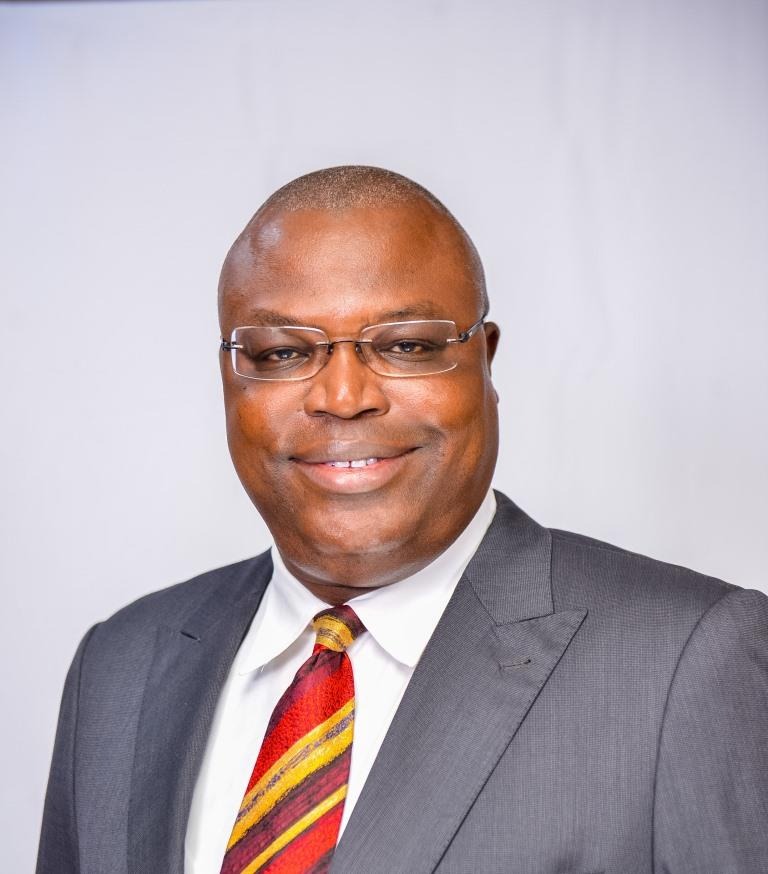

Fola Tinubu’s Primero Transport: A Decade of Resilience on Lagos Roads
- Road
- December 12, 2025
- No Comment
- 186
Managing Director
Against the backdrop of blue buses lined up at the New BRT Depot in Majidun, Ikorodu, Primero Transport Services Limited marked a milestone that many Nigerian businesses struggle to reach: 10 years of continuous operations in one of Africa’s most challenging transport environments.
The anniversary celebration on December 11 was more than corporate self-congratulation. It was a sobering reflection on what it takes to sustain public transportation in Lagos, a megacity where operational costs spiral faster than revenue, where infrastructure strains under population pressure, and where the gap between service provision and profitability remains stubbornly wide.
“We pioneered the first BRT corridor in Lagos,” Managing Director Fola Tinubu told the gathering of government officials, traditional rulers, and transport stakeholders. His tone carried both pride and acknowledgment of the weight that comes with being first.
Primero’s journey began in November 2015 when then Governor Akinwunmi Ambode inaugurated the company’s operations on November 12, with full commercial service launching the following day. A decade later, Primero operates primarily on both the Ikorodu to TBS corridor, one of Lagos’s most congested and vital arteries as well as the Oshodi to Abule Egba Corridor. These routes serve communities where daily commuting is less about convenience and more about survival, workers, traders, students navigating a city where alternative transport options remain expensive or unreliable.
Tinubu’s address laid bare a reality that underscores much of Nigeria’s infrastructure challenge: the revenue generated from operations often falls short of covering basic costs, including staff salaries.
This revenue-cost mismatch isn’t unique to Primero. It reflects a broader question facing African cities: how do you provide affordable mass transit while maintaining financial sustainability? The answer, in Lagos’s case, has required continuous government support, regulatory intervention through the Lagos Metropolitan Area Transport Authority (LAMATA), and what Tinubu described as “resilience through challenging times.”
The economic headwinds have been relentless. Over the past decade, Nigeria has weathered currency devaluations, fuel subsidy removals, inflationary pressures, and supply chain disruptions, all of which directly impact bus operations dependent on imported spare parts, fuel, and foreign exchange-denominated financing.
Sterling Bank, acknowledged as Primero’s financial backbone since inception, has provided the credit lifeline that kept buses running when operational realities would have grounded less-supported ventures.
LAMATA’s representative, Mr. Bayonle Oladejo, speaking on behalf of Managing Director Engr. Abimbola Akinajo, positioned Primero’s contribution in broader terms: the company hasn’t just moved passengers; it has “helped to simplify transportation and improve the quality of life for millions of Lagosians.”
The numbers, though not officially disclosed at the event, tell part of the story. Over 10 years, Primero has transported millions of passengers along dedicated bus corridors that reduce travel time and offer relative predictability in an otherwise chaotic transport landscape.
For daily commuters on the Ikorodu to TBS route as well as the Oshodi to Abule-egba corridor, Primero buses represent more than transportation, they are enablers of economic participation. Market women moving goods, civil servants reaching offices, students attending schools: the social infrastructure of a functioning city depends on these blue-and-white vehicles showing up each morning.
Looking ahead, Tinubu outlined an ambitious vision: expansion, technological transformation, and elevated service excellence. The company aims to invest in modern technology and enhance customer experience while contributing to sustainable public transportation growth.
But these aspirations bump against immediate realities. Tinubu’s appeal for government support wasn’t rhetorical, it was a practical acknowledgment that without policy intervention, subsidies, or revised operational frameworks, even pioneering operators face sustainability questions.
The company’s survival suggests that success in public transport requires more than buses and dedicated lanes. It demands patient capital (Sterling Bank’s decade-long commitment), regulatory stability (LAMATA’s oversight), political will (two successive administrations maintaining support), and operational discipline (Primero’s professional management culture).
It also requires acknowledging that true public transportation may never be purely commercial. The social benefits, reduced congestion, lower carbon emissions, economic inclusion, often exceed what fare boxes can capture.
As employees, partners, and stakeholders gathered at the Majidun depot, the mood blended celebration with realism. Ten years represents achievement, but also raises questions: Will there be 20? What structural changes are needed to make Lagos mass transit truly sustainable?
Tinubu’s closing remarks captured this dual awareness: “Today is a celebration of where we’ve been, but even more significantly, of where we are going.”
For Lagos commuters boarding Primero buses tomorrow morning, the philosophical questions matter less than operational reality: Will the bus arrive? Will it be safe? Will it get them to work on time?
After 10 years, Primero’s continued presence suggests the answer, more often than not, remains yes. In a city where infrastructure promises frequently exceed delivery, that consistency, however imperfect, represents its own form of success.
By Adeosun David
