
ECOWAS Slashes Aviation Taxes by 25% to Lower Airfares, All 12 Member States Begin Compliance
- Aviation
- July 10, 2026
- No Comment
- 243
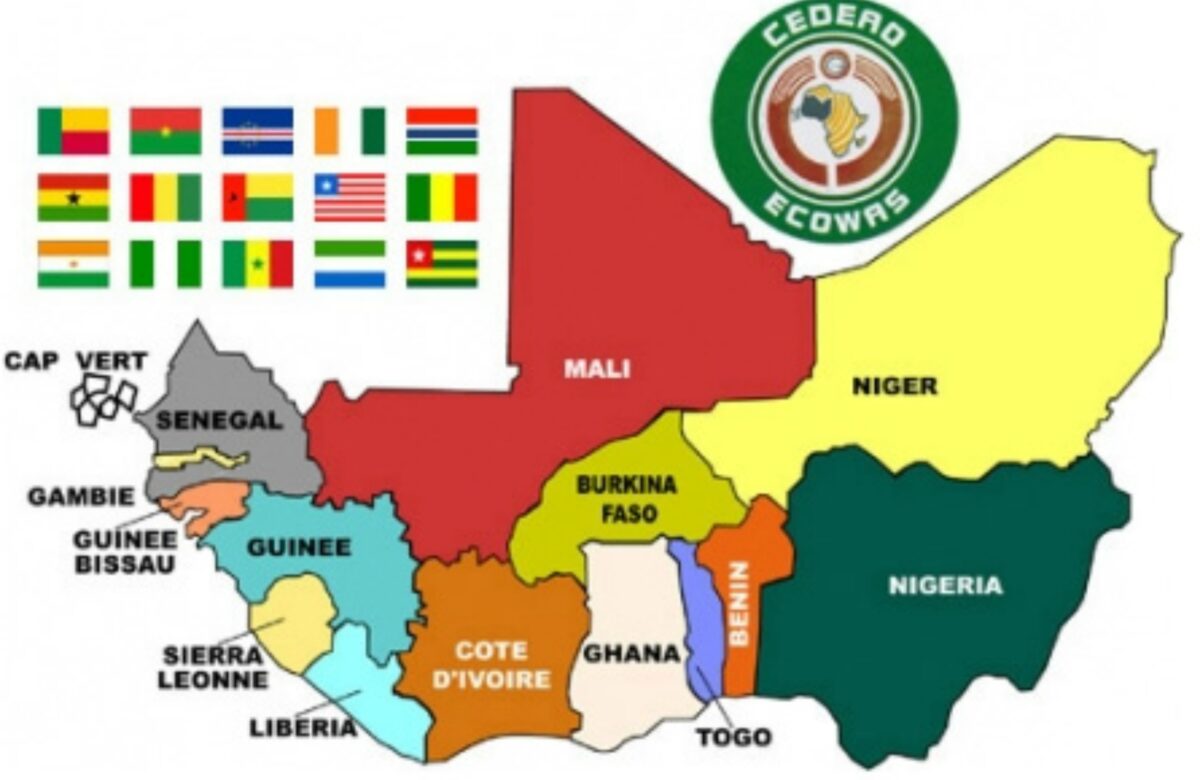
West Africa’s skies are set to become more accessible as all twelve member states of the Economic Community of West African States (ECOWAS) have commenced compliance with a landmark directive that abolishes certain air transport taxes and cuts other charges by 25 percent. The update was provided on Wednesday during the July edition of the AFRAA SkyConnect Dialogue, a discussion themed “How ECOWAS Aviation Tax Abolition Can Transform Regional Connectivity and Spur Growth.”
Chris Appiah, ECOWAS Director of Transport, told participants that the bloc’s decision stemmed from a sober assessment of the region’s air transport market. “We realized that the issue of taxes, charges, and fees was impacting air connectivity and airline success,” Appiah explained. “Air transport is a catalyst for the integration we want; if we want to build on that, we must address the challenges facing that catalyst.”
The numbers behind the policy shift are striking. Joint assessments conducted with IATA, AFRAA, and AFCAC revealed that on an average ticket, taxes alone could swallow 60 to 65 percent of the total fare. The region’s airports and carriers, weighed down by these levies, consistently failed to rank among the continent’s top ten in passenger traffic or capacity. Appiah noted that the matter was escalated to the highest political level: “This wasn’t simply the Commission in Abuja deciding unilaterally. The Heads of State themselves recognized that regional mobility was being hindered by the cost of travel and directed their ministers to find a solution in collaboration with the Commission.”
The resulting directive identified two specific taxes for elimination and four charges to be lowered by a quarter. Since taking effect on 1 January 2026, all twelve member states have begun the compliance process, a milestone confirmed at a recent gathering of seventeen civil aviation directors-general in Lomé. Côte d’Ivoire has already fully eliminated the targeted taxes, and Sierra Leone this week officially notified the removal of its $50 airport security charge that previously applied to all arriving and departing passengers in Freetown. Appiah cautioned that full compliance would take time: removing taxes requires amending national tax laws, multi-ministry consultations, and in some cases renegotiating concession agreements that link airport charges to infrastructure investment repayment. “This work is ongoing,” he said.
ASKY Airlines CEO Esayas Halilu, who also spoke at the dialogue, welcomed the move but stressed that taxes are only one piece of a larger puzzle. “Africa as a whole is more expensive than the rest of the planet when it comes to air travel, and West Africa is particularly expensive,” Halilu observed. Beyond taxes, he highlighted the punishing cost of jet fuel; 30 to 40 percent pricier in Africa than elsewhere—the heavy reliance on foreign exchange for dollar-denominated aviation costs, an ageing fleet of roughly 700 to 800 aircraft with higher maintenance burdens, and the fragmented nature of the market where only 19 percent of intra-African routes are directly connected.
Halilu argued that the Single African Air Transport Market (SAATM) must be fully implemented to build economies of scale and reduce unit costs. He called for deeper cooperation among airlines and nations. “There are 54 or 55 countries, and each wants its own national carrier. That isn’t practical; it only adds to market fragmentation. We need to move toward cooperation, alliances, and even mergers and joint ventures. One country has tourism potential, another has a well-run airline; they should combine forces, one brings tourists, the other grants liberalized access. It isn’t only through airline revenue that African countries can prosper; we need to exchange strengths.”
The dialogue underscored that while the ECOWAS tax cut is a significant step toward affordable regional travel, lasting change will require coordinated action across fuel pricing, infrastructure charges, traffic-rights liberalization, and foreign exchange access. For now, however, the message from the bloc is clear: the journey to cheaper airfares and deeper integration has begun.