
Haulage Operators Seek Reforms to Boost Efficiency, Cut Costs
- Road
- November 25, 2026
- No Comment
- 19
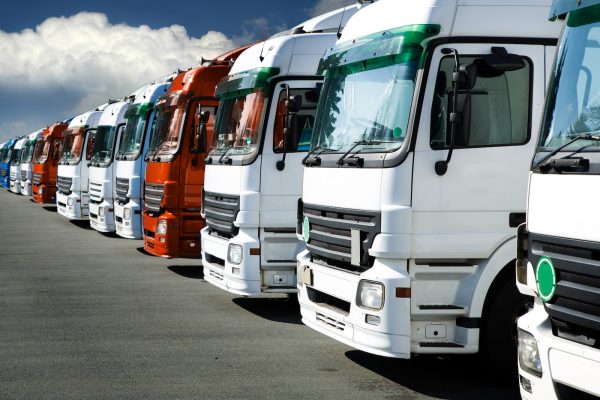
Stakeholders in Nigeria’s haulage and logistics sector have called for closer industry collaboration, wider technology adoption and stronger return-cargo systems to reduce transport costs and improve operational efficiency.
The call came at the 12th Haulage and Logistics Magazines Annual Conference and Exhibition in Lagos, themed “Technology as an Enabler for More Efficient Haulage Operations: The Need for Industry Collaboration.”
In his address, Lori Systems co-founder and Chief Executive Officer Jean-Claude Homawoo said collaboration among manufacturers, transporters and financial institutions would help cut empty truck journeys and ease logistics costs. He identified inefficient truck operations, long waiting periods and poor cargo coordination as key drivers of rising transport expenses.
Homawoo noted that about 90 per cent of goods transportation in Nigeria depends on road networks, making efficient trucking central to economic growth. Trucks frequently return empty after deliveries, he said, because of uneven cargo distribution, seasonal demand and limited trust among industry stakeholders.
Citing a 2024 World Bank study, he said about 29 per cent of truck kilometres travelled globally are empty, with developing countries recording higher rates. In his company’s Nigerian network, only about two per cent of trips initially involved return cargo carried by the same trucks.
To address the gap, Homawoo advocated technology platforms that connect manufacturers with verified transporters, improve cargo coordination and provide reliable information on available shipments. Digital proof of delivery, he added, could shorten payment processing by up to one week and ease financial pressure on operators.
He also flagged compressed natural gas and electric trucks as opportunities to lower fuel and maintenance costs, but warned that inadequate infrastructure and financing could shut small operators out of the transition.
Dukeridges Chief Operating Officer Aanuoluwapo Agboola said technology should support intelligence gathering, informed decision-making and cost reduction. He also called for better rail infrastructure to enable seamless cargo movement.
Promasidor Nigeria Ltd Head of Logistics Ibikunle Sodipo stressed that timely delivery and improved truck turnaround remain critical, and urged companies to partner in securing return cargoes.
Trucksoft Logistics Telematics Services Managing Director Oluwafemi Oladokun identified driver management as a major industry challenge, while Triple A Logistics Chief Executive Officer Omotunde Ogunbowale emphasised teamwork, driver welfare and technology-driven monitoring.
HAULMACE Convener Alfred Okugbeni said technology alone could not transform the sector without trust and collaboration among manufacturers, transporters, financiers, insurers, technology providers and government agencies.