
Nigeria Targets Over ₦150 Billion Annually from Formal Vehicle Recycling Programme
- Road
- December 22, 2025
- No Comment
- 467
The Federal Government has unveiled plans to formalize Nigeria’s vehicle recycling sector, projecting annual revenues exceeding ₦150 billion from 2026 under a newly approved End-of-Life Vehicle (ELV) programme. The initiative marks a significant shift in the nation’s automotive policy, aiming to transform an informal scrap economy into a structured, revenue-generating industry while addressing environmental and safety concerns.
The National Automotive Design and Development Council (NADDC) confirmed the policy approval, stating it will regulate the disposal and recycling of unroadworthy vehicles, curbing the current practice of abandonment and informal dismantling. According to the NADDC Director-General, Joseph Osanipin, the programme is designed to emulate global models where vehicle owners contribute a small fee during registration to fund safe and environmentally sound recycling processes.
“More than 85% of components from end-of-life vehicles are reusable or recyclable,” Osanipin noted, highlighting the potential for a formal circular economy that could generate thousands of jobs in dismantling, refurbishment, and parts resale.
The announcement comes amid a rebound in Nigeria’s vehicle imports, which rose to approximately ₦1.01 trillion in the first nine months of 2025, up from ₦894 billion in the same period last year. Despite this recovery, the government is moving to tighten import standards. Starting in 2026, all used vehicles entering Nigeria will require mandatory pre-export certification, a cost to be borne by exporters.
Osanipin emphasized that this measure aims to prevent Nigeria from becoming a dumping ground for substandard vehicles, a practice he said has persisted due to weak regulations. “Exporters have admitted targeting Nigeria because of the high profits from shipping vehicles that would be rejected elsewhere,” he stated.
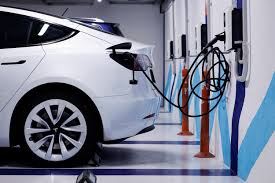
Beyond recycling and import controls, the NADDC is also advancing plans to support the transition to electric vehicles (EVs) and compressed natural gas (CNG) systems. The council has launched training programmes for technicians and regulators and developed National Occupational Standards for EV and CNG conversions, with certification schemes expected to begin by 2026.
Local innovation remains a key focus, with collaborations between universities and the private sector already producing prototypes for electric shuttles, buses, and tricycles. Osanipin stressed that component manufacturing represents a major economic opportunity, noting that Nigeria spends more annually on parts like tires and batteries than on fully built vehicle imports.
To provide a stronger legal foundation for these reforms, the NADDC will seek to transform the National Automotive Industry Development Plan (NAIDP) into an Act of Parliament, with a draft bill expected to be presented to the National Assembly soon.
Osanipin acknowledged potential public resistance but described 2026 as a pivotal year for Nigeria’s automotive sector, urging stakeholder engagement to ensure the long-term benefits of the reforms are widely understood.