
Nigerian Airlines Threaten Nationwide Shutdown Over Union Disruptions
- Interviews
- September 29, 2026
- No Comment
- 33
The Airline Operators of Nigeria has threatened a nationwide shutdown of flight operations should labour unions disrupt the activities of any of its member airlines through picketing.
The association, which comprises domestic scheduled, cargo and charter airline operators across fixed-wing and rotary-wing categories, reached the resolution at its general meeting in Abuja on Tuesday, September 22, 2026.
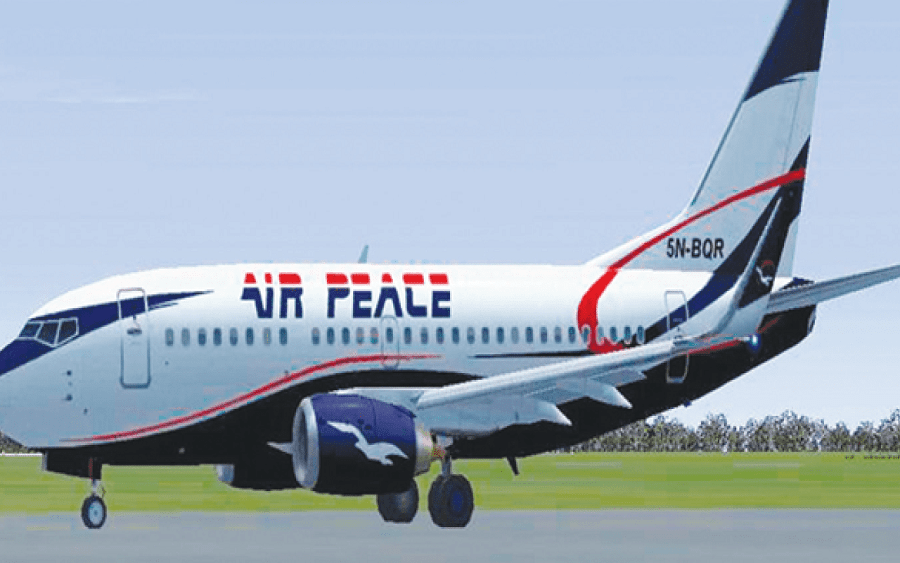
In a communiqué released on Monday, AON said it stands united with Air Peace and all its members in maintaining zero tolerance for all forms of “unlawful interference” with airline operations and safety.
On August 11, labour unions disrupted the operations of Air Peace at Murtala Muhammed Airport Terminal 1 and Terminal 2 in Lagos, as well as the Nnamdi Azikiwe International Airport in Abuja, by blocking access to departure terminals. The unions accused AON members of owing Ticket Sales Charge and of preventing workers from joining unions.
The association described the incident as a violation of aviation safety and security regulations with serious immediate and future implications for the Nigerian aviation sector. Citing ICAO Annex 17, which defines “unlawful interference” as acts or attempted acts that jeopardise the safety of civil aviation, AON said the events of that day met that definition.
“We are committed to protecting our employees, passengers, equipment and to maintaining the highest standards of safety and operational excellence, even within our constraining operating environment,” the AON said. “Should the events of August 11, 2026 repeat themselves against any domestic airline, the entire AON member airlines will immediately shut down operations.”
The association condemned what it described as a recent surge in the use of unions to threaten, harass and intimidate Nigerian airlines by certain quarters. “It is illegal, unconstitutional, and above all, an aberration,” the statement read.
The disruptions came at significant cost to member airlines. Air Peace alone had more than 70 flights affected, with estimated losses exceeding N2 billion. United Nigeria Airlines recorded more than 30 affected flights, impacting approximately 13,000 passengers based on aircraft and sectors scheduled for that day.
Beyond direct revenue losses, airlines absorbed additional costs from rebooking passengers, offering accommodation, processing refunds, repositioning crew, rescheduling aircraft and managing other recovery expenses — all within an operating environment already burdened by high fuel costs and foreign-exchange-driven maintenance expenses.
Though the strike action occurred mainly at Lagos and Abuja airports, flights across domestic, regional and international networks were affected, as both cities serve as domestic hubs that funnel capacity across the entire airport system.
The AON warned that the incident damaged investor confidence. Lessors who had recently begun showing interest in the Nigerian market were forced to reconsider their intentions, given how easily aviation business activities could be disrupted and brought to a halt.
The AON said the actions of the aviation unions exposed vulnerabilities in the security architecture of the nation’s airports and in the response plan of Aviation Security. It called for an immediate review and overhaul of security procedures at all airports across the country.
The association also said there were recorded cases where union members exhibited violence against airline staff and caused bodily harm to some of them. It described these acts as a gross violation of operators’ rights to a safe and secure business environment, and as a disturbing development with grave implications for the industry.
AON drew public attention to the underlying causes of flight delays and cancellations, noting that no airline benefits from such disruptions given their financial and reputational consequences. In Nigeria, it said, most causes are neither within the control of airlines nor caused by them.
The association listed prevalent factors to include weather conditions, inadequate aircraft parking space due to congested aprons at Lagos and Abuja airports, sunset airport restrictions, VIP movement, frequent bird strikes and foreign object damage, unavailability and rising costs of aviation fuel, inefficient air traffic flow, and inadequate airport infrastructure.
The AON commended ongoing construction and rehabilitation work at Murtala Muhammed International Airport in Lagos, acknowledging the efforts of the Federal Airports Authority of Nigeria and the Federal Government to upgrade terminal facilities.
It, however, urged that airlines; as key stakeholders, be carried along at the early stages of such projects to contribute ideas on functionality and passenger flow, and to address any design flaws that could affect operations in future.