
PETROAN Urges FG’s Temporary Intervention as Rising Fuel Prices Bite Harder
- Road
- March 26, 2026
- No Comment
- 397
The Petroleum Products Retail Outlets Owners Association of Nigeria (PETROAN) has called on the federal government to introduce immediate but temporary intervention measures to cushion the impact of rising petroleum prices on citizens and businesses.
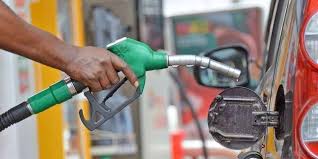
In a statement issued yesterday, the association warned that the steady escalation in pump prices is compounding financial pressure across the country, driving up transportation fares, inflating food prices, and eroding household purchasing power.
PETROAN’s National President, Dr. Billy Gillis-Harry, noted that while global market dynamics continue to influence domestic pricing, the resulting economic burden on households and small-scale enterprises requires pragmatic and timely action to prevent further strain on productivity and economic stability.
To address the situation, PETROAN proposed a set of short-term measures, including transportation relief, optimisation of the Naira-for-Crude policy, restoration of full operations at the Port Harcourt Refinery, targeted food security support, and accelerated adoption of alternative energy sources such as Compressed Natural Gas (CNG) and Liquefied Petroleum Gas (LPG).
“Implement immediate measures to offset transportation costs and alleviate the direct impact of high fuel prices on the populace,” the association said in a statement signed by its spokesman, Dr. Joseph Obele. It also called on the Nigerian National Petroleum Company (NNPC) Limited to restore sustained operations at the Port Harcourt Refinery to break monopolistic constraints and improve domestic supply security.
PETROAN further urged sustained high-level engagement among oil and gas stakeholders to develop long-term solutions that guarantee energy security, price stability, and a resilient supply chain.
The group acknowledged ongoing reforms in the sector but stressed that decisive action is needed to ease current hardships. “PETROAN remains committed to collaborating with the federal government and all industry partners to ensure efficient distribution of products nationwide,” the association added.
Industry analysts note that the recent uptick in fuel prices is partly linked to geopolitical tensions in the Middle East, particularly disruptions around key energy hubs such as the Strait of Hormuz. Despite Nigeria’s status as a crude oil producer, its downstream sector remains heavily exposed due to a continued reliance on refined fuel imports, though output from the 650,000 barrels-per-day Dangote Refinery is gradually easing that dependence.