Transport, Logistics Could Add N15 Trillion to Nigeria’s GDP – Experts
- Road
- March 27, 2026
- No Comment
- 1354
Experts in Nigeria’s transport and logistics sector have projected that the market’s potential value could exceed N15 trillion, underscoring the critical role the industry could play in driving national economic growth. According to the panelists, the logistics sub-sector alone currently contributes approximately N1 trillion to Nigeria’s GDP, reflecting both its economic significance and the untapped opportunities for expansion.
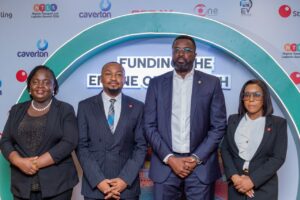
The insights were shared at the Transport & Logistics Summit (NTLS) 2026, hosted by Sterling Bank, which brought together policymakers, industry leaders, investors, and academics to explore ways to strengthen the transport ecosystem.
The summit focused on enhancing efficiency, modernising infrastructure, and attracting private investment into the sector.
Others in attendance were the Managing Director of the Lagos Metropolitan Area Transport Authority, Engr. Abimbola Akinajo; and the Special Adviser to the Governor on Blue Economy, Lagos State, Mr. Damilola Emmanuel, alongside other key stakeholders in the sector.
Speaking on the theme “Funding the Engine of Growth,” Sterling Bank’s Managing Director and CEO, Abubakar Suleiman, represented by Sterling One Foundation CEO, Olapeju Ibekwe, stressed that the challenges facing Nigeria’s transport and logistics system are well documented. These include port congestion, inefficient supply corridors, high operating costs, and fragmented infrastructure. Yet, he emphasized that the true opportunity lies in moving beyond problem diagnosis to bold, coordinated execution.
“We must move beyond diagnosing the problem to building integrated, modern logistics systems that can power productivity at scale,” Suleiman said.
“This means fixing our ports, strengthening logistics corridors, improving road and rail connectivity, and embedding efficiency across the value chain. Nigeria’s competitiveness, both regionally and globally, will increasingly depend on how effectively we move goods, people, and services. The time for incremental change has passed; what is required now is bold, coordinated execution across public and private sectors,” he added.
Darlington Nwankwo, Divisional Head of Renewable Energy, Mobility, and Tourism at Sterling Bank, described logistics as the backbone of trade, industry, and national competitiveness. He highlighted the critical role of financing in unlocking sectoral growth, saying:
“We must be deliberate about fixing the logistics backbone of the economy if we are to unlock the growth we need. Nigeria’s trade competitiveness is directly linked to the efficiency of its logistics corridors, from ports to inland distribution networks. At Sterling, we see our role as connecting capital to execution, designing financing solutions that do not just fund infrastructure but unlock entire value chains. This includes supporting multimodal transport systems, enabling cleaner mobility solutions, and partnering with both government and private sector players to reduce investment risk. The opportunity before us is not just to fix what is broken but to build a logistics ecosystem that is faster, more efficient, and globally competitive.”
Oluwaseun Osiyemi, Lagos State Commissioner for Transportation, echoed the need for action, calling for bold ideas, strategic investments, and forward-looking policies. He described the summit as a “vital platform to shape the future of movement, trade, and connectivity in Nigeria” and urged policymakers to move swiftly from planning to implementation. He also encouraged investors to support infrastructure and innovation, and called on industry leaders to champion efficiency, sustainability, and accountability.
In his keynote address, Professor Biodun Adedipe provided a detailed analysis of Nigeria’s logistics dependence, noting that nearly 90% of the country’s freight transport relies on road networks, which contributes to congestion, high maintenance costs, and inefficiencies. He stressed the need for diversification into rail and more durable infrastructure, while cautioning that meaningful transformation requires patience and long-term planning, with tangible results unlikely to emerge in under 18 months.
The summit highlighted the scale of opportunity in Nigeria’s transport and logistics sector. With bold execution, modern infrastructure, and strategic financing, experts agree that the industry could unlock trillions in GDP, reduce operational inefficiencies, enhance trade competitiveness, and create new jobs across the economy. As stakeholders deliberate on actionable strategies, the message was clear: Nigeria must move from incremental improvements to transformational change to realise the sector’s full economic potential.
By Lanre Abdul