
Dollar Dilemma: Dangote Refinery May Trigger Fresh Petrol Price Hike, IPMAN, CORAN Warn
- Road
- July 14, 2026
- No Comment
- 293

Nigerian motorists could face yet another round of petrol price increases if the Dangote Petroleum Refinery reverts to selling its refined products in U.S. dollars, according to warnings issued by the Independent Petroleum Marketers Association of Nigeria (IPMAN) and the Crude Oil Refiners Association of Nigeria (CORAN).
The concern follows reports, not yet officially confirmed by the refinery, that Dangote is considering a return to dollar pricing, a move it had temporarily adopted on March 19, 2025, before switching back to naira sales under the federal government’s crude-for-naira initiative.
IPMAN’s Public Relations Officer, Mr. Chukwudi Akadike, told *Daily Sun* that while the association has not received formal communication from the refinery, such a development would not be unexpected. He cited three compounding pressures:
– Inadequate crude supply under the naira-for-crude arrangement;
– Rising geopolitical tensions in the Middle East, especially around the Strait of Hormuz, which have driven up global crude prices and financing costs;
– The recent government approval for marketers to resume fuel imports, which has intensified competition for foreign exchange.
“If the refinery eventually returns to dollar sales, marketers will have to source dollars to buy products, and those costs will inevitably be passed on to consumers at the pump,” Akadike said. He cautioned that any disruption to the current pricing arrangement could reverse the relative stability seen in the downstream market in recent months.
CORAN’s Publicity Secretary, Mr. Iche Idoko, framed the issue as a symptom of a deeper malady. “The real question is not whether Dangote wants to sell in dollars or naira,” he argued. “The real question is whether local refineries are receiving sufficient crude under the crude-for-naira framework to sustain operations.”
Idoko said domestic refiners continue to face inconsistent crude allocations, forcing them to seek alternative funding; often requiring foreign currency. He also pointed to the same geopolitical and import-approval factors as Akadike, noting that they have “created fresh commercial pressure on domestic refining.”
He urged the Minister of State for Petroleum Resources (Oil) to immediately convene a stakeholders’ meeting with crude producers, refiners, and regulators to resolve the lingering supply bottlenecks. “This is not something that should be allowed to linger,” Idoko warned. “It has implications for the entire downstream sector and for every Nigerian consumer.”
Idoko further cautioned that if domestic refiners resort to dollar-denominated sales, the very objectives of the crude-for-naira initiative, reducing foreign-exchange demand, supporting the naira, and moderating fuel prices, would be undermined.
“Marketers will pass foreign-exchange costs to consumers. That means another round of petrol price increases is likely unless the government urgently fixes crude supply to local refineries,” he said.
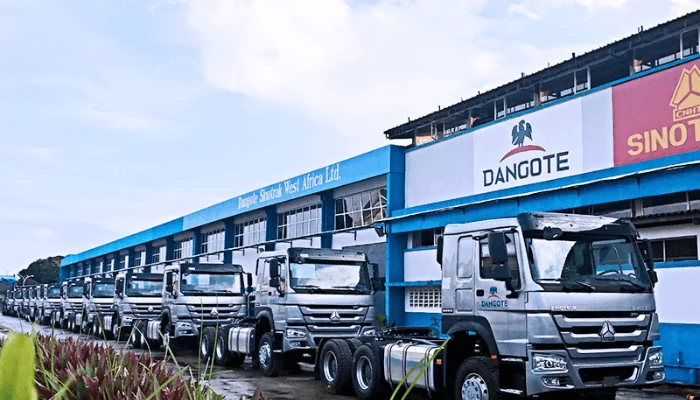
In its March 2025 statement, Dangote Refinery explained its temporary shift to dollar sales by noting that its naira-denominated product sales had exceeded the value of naira-denominated crude it had received from NNPC. The refinery said it would revert to naira pricing as soon as it received adequate crude cargoes under the federal government’s programme.
That condition, according to industry observers, has yet to be fully met, leaving the refinery with little choice but to consider a permanent or prolonged return to dollar pricing.
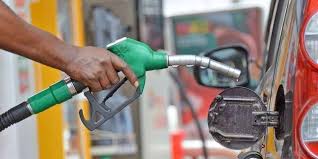
For the average Nigerian, the warning from IPMAN and CORAN translates into a simple but painful equation: higher pump prices. With global crude volatility already straining margins, any additional forex costs borne by marketers will almost certainly find their way to the forecourt.
The development also raises broader questions about the sustainability of Nigeria’s local refining policy. If the country’s flagship private refinery cannot secure reliable crude supply in naira, the entire downstream sector remains hostage to dollar fluctuations, and Nigerian motorists will continue to pay the price.