
Lawmakers, NADDC push for legislative overhaul of Nigeria’s auto industry
- Road
- August 21, 2026
- No Comment
- 235
Director-General of NADDC
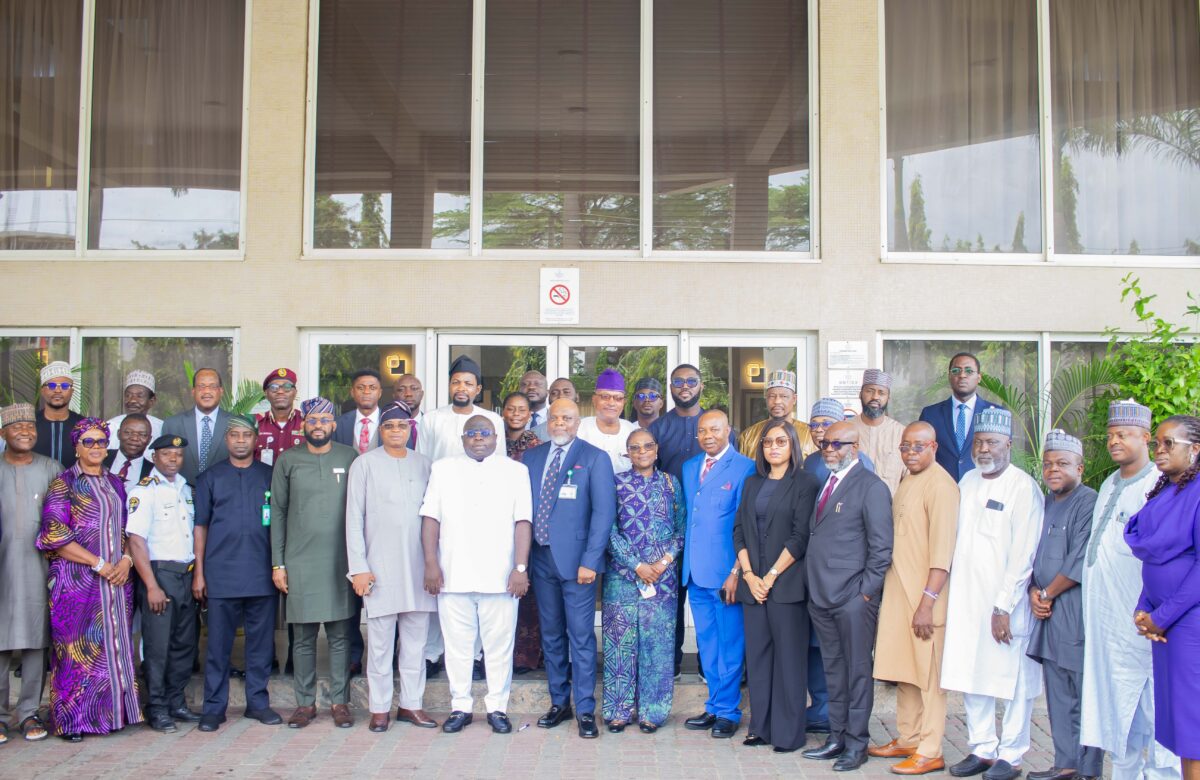
The House of Representatives Committee on Industry and the National Automotive Design and Development Council (NADDC) have jointly called for urgent legislative reforms to reposition Nigeria’s automotive sector and drive wider local and international patronage of locally assembled vehicles.
The appeal came during a four-day capacity-building retreat organized for committee members and NADDC management in Asaba, Delta State. Held in collaboration with the African Parliamentary Resource Centre (APRC), the retreat was themed: *“Reflecting on the Journey So Far and Projecting into the Future of Nigeria’s Automotive Industry.”*
Declaring the session open on behalf of committee chairman Dr. Enitan Dolapo, Sa’ad Taura underscored the lawmakers’ determination to back the sector’s growth. He argued that a revitalized automotive industry is not merely an industrial pursuit but a critical economic lever, one capable of driving industrialisation, creating jobs, and accelerating technology transfer.
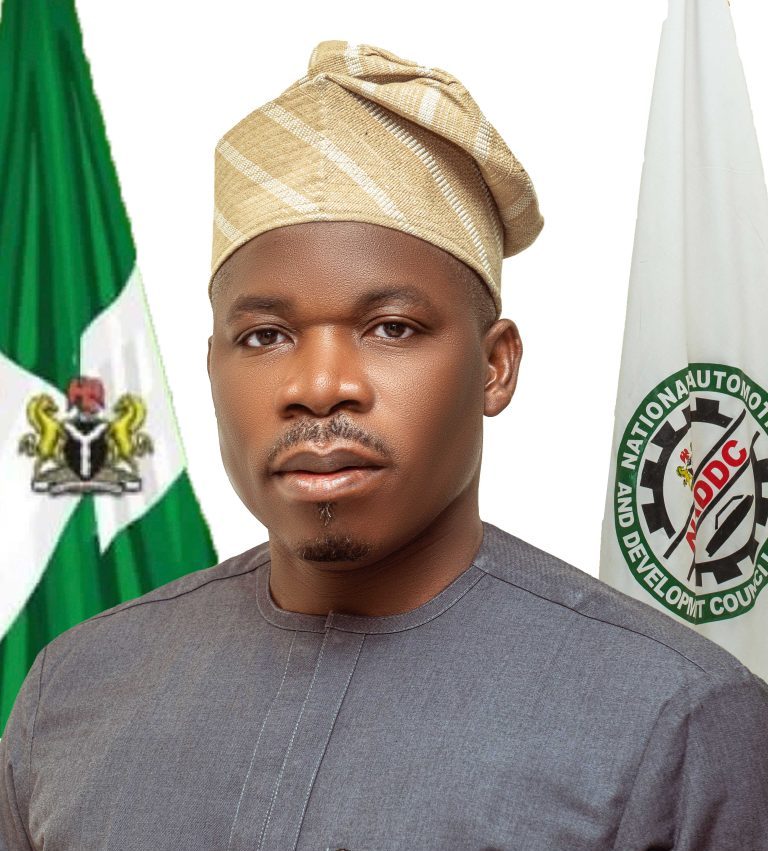
NADDC Director-General Oluwemimo Osanipin acknowledged the progress made in expanding local vehicle assembly, promoting cleaner energy alternatives such as Compressed Natural Gas (CNG) and electric vehicles (EVs), and strengthening technical training infrastructure. However, he warned that these early gains risk stagnation without a modernised legal framework.
“Sustaining and expanding those gains will require legislative interventions that reflect emerging trends in the global automotive industry,” Osanipin said. He specifically called for updated laws to protect indigenous vehicle manufacturers, attract investment, and incentivize Nigerians to patronise made-in-Nigeria vehicles.
APRC Executive Director John Mutu said the four-day engagement was designed to give lawmakers and NADDC management a practical grasp of the industry’s real-world dynamics. Identifying gaps in the current regulatory regime, he said, is essential to crafting policies that make the sector efficient, competitive, and investor-ready.
The committee and the Council are expected to channel outcomes from the retreat into concrete legislative actions aimed at boosting local production and consumer confidence in Nigeria’s automotive market.