
House of Reps Moves to Open Railway Sector to Private Investors
- Railway
- November 19, 2026
- No Comment
- 33
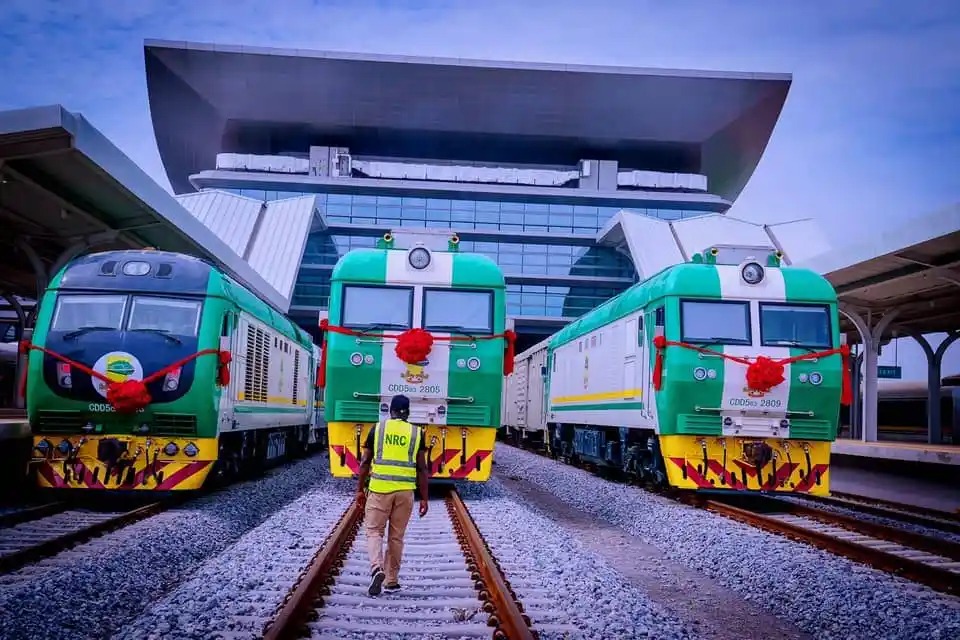
The House of Representatives has urged the Federal Ministry of Transportation and the Nigerian Railway Corporation (NRC) to develop a clear implementation plan for private investments and partnerships in the railway sector. The move aims to attract capital, enhance service delivery, and modernize the nation’s rail infrastructure.
The resolution followed a motion sponsored by Adesola Samuel Adedayo (APC, Lagos) and 30 other lawmakers, seeking a comprehensive review of the NRC Act, 2004. The proposed reforms are designed to accommodate modern realities and eliminate legal uncertainties surrounding the participation of state governments and private operators.
To drive this forward, the House mandated the Federal Ministry of Transportation, the NRC, the Infrastructure Concession Regulatory Commission (ICRC), and state governments to identify priority passenger and freight corridors.
Additionally, the Committee on Land Transport has been given six weeks to engage stakeholders, including railway operators and organized labor, and report back with recommendations to guide the consideration of the Nigerian Railway Corporation (Amendment) Bill, 2026.
The legislative review will examine current provisions that grant exclusive operational powers to the NRC, clearly define federal and state responsibilities, and prevent conflicts between regulatory and operating functions. It will also establish transparent, competitive procedures for railway concessions, joint ventures, and build-operate-transfer (BOT) arrangements, while ensuring that core railway assets and rights-of-way remain protected.
The committee is further tasked with evaluating safety certifications, licensing frameworks, non-discriminatory track access, and dispute resolution mechanisms. It will also look at commercially sustainable tariffs and how proceeds from railway assets can support infrastructure development and the acquisition of rolling stock.
Crucially, the House emphasized that the reforms must guarantee the protection of workers’ entitlements and pension rights, promote local content and skills transfer, and mandate annual reporting on railway safety, punctuality, freight volumes, and financial performance.
Speaking on the motion, Mr. Adedayo noted that a safe and efficient railway network would significantly reduce the cost of transporting passengers and goods, improve connections between seaports and production centers, and ease pressure on federal highways.
He noted that the existing NRC Act was built around a centralized model and requires amendments to establish clear rules for private investments. He recalled that the Fifth Alteration to the 1999 Constitution in 2023 moved railways to the Concurrent Legislative List, empowering state Houses of Assembly to legislate on the sector.
Mr. Adedayo expressed concern that the absence of clear arrangements on how private and state operators can connect to federal railway infrastructure could discourage investment and complicate track access and safety certification. He stressed the need for adequate safeguards to protect public railway assets, ensure transparent procurement, and maintain affordable passenger services.