


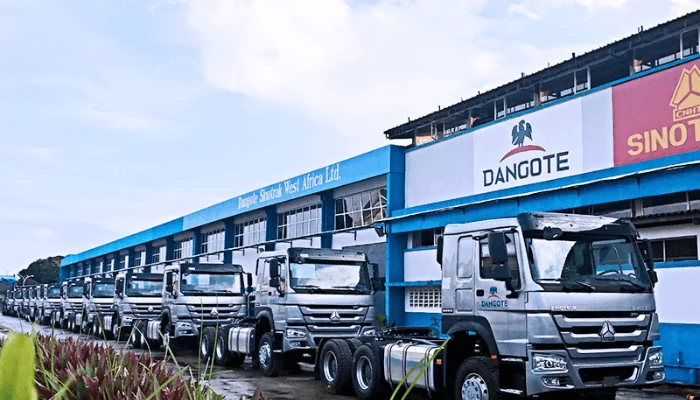

Why petrol prices remain high, by Dangote
- Road
- March 26, 2026
- No Comment
- 402

Despite Nigeria now having a functioning domestic refinery, petrol prices have stayed high. The management of Dangote Refinery says global market forces and issues with crude oil allocation are to blame.
In an interview on Arise Television, the refinery’s Managing Director, David Bird, said the facility gets no subsidies and is fully exposed to international market trends. He pointed to geopolitical tensions, especially in the Middle East, as a major factor driving up costs.
“We try to maintain some stability within a commercially acceptable range, but all our cost inputs; crude, freight, insurance are affected,” Bird said.
A market survey by *Vanguard* on Wednesday showed that while global crude prices dipped earlier in the week, pump prices in Nigeria did not follow. Instead, the nearly 20 per cent increase from last week stuck, with petrol selling at an average of N1,300 per litre nationwide.
Bird acknowledged the strain on consumers, describing it as part of a wider cost-of-living crisis. “Every part of the modern economy is touched by energy,” he said. He added that even if conflicts abroad ended immediately, supply chain disruptions would take months to unwind.
He also urged the government to look beyond crude prices and consider the broader cost of doing business in Nigeria. “Government and industry must think the unthinkable,” he said, noting that COVID should have served as a wake-up call on how vulnerable global supply chains are.
Bird further raised concerns about the crude allocation system under the Naira-for-Crude programme. He said the refinery often does not get the Nigerian crude grades it requests, or the full volumes. As a result, it ends up buying those same grades on the international market at a premium.
“Our hardware is designed around a certain crude slate,” he said. “Not only do we not get the full allocation, very often we don’t get the grades we ask for.”
He said while about 30 to 35 per cent of the refinery’s crude comes through the Naira-for-Crude arrangement, it is forced to source the rest abroad, paying premiums above $18 per barrel on top of freight and insurance.
Bird called for more transparency in how crude is allocated, saying that would help the refinery run more efficiently and reduce its reliance on costly international markets.


