
APM Terminals Eyes $600 Million Nigeria Port Expansion as Tinubu Pushes Trade Reforms
- Maritime
- May 19, 2026
- No Comment
- 472
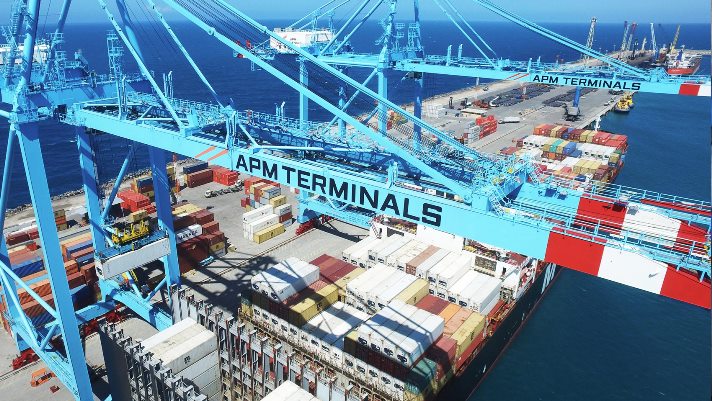
Dutch shipping and logistics giant APM Terminals is preparing to invest approximately $600 million to upgrade and expand its operations in Nigeria, a move that signals growing private-sector confidence in the country’s push to modernise its maritime sector.
The investment plan was outlined during a meeting between President Bola Tinubu and APM Terminals’ Africa-Europe Regional President, Igor van den Essen, on the sidelines of the Africa CEO Forum in Kigali, according to a statement from presidential spokesman Bayo Onanuga. The planned capital injection will target the modernisation of Apapa Port, improvements to logistics infrastructure, and deeper long-term involvement of private operators in Nigeria’s port system.
President Tinubu said his administration is implementing reforms aimed at boosting competitiveness and eliminating chronic bottlenecks that have long hampered efficiency at the nation’s ports. “We are determined to move beyond outdated systems,” Tinubu was quoted as saying, underscoring the need for faster cargo processing, greater operational efficiency, and the wider deployment of advanced port technology.
Van den Essen described Nigeria as a key market for APM Terminals’ African network, noting the company has been active in the country’s port sector for more than two decades. He said the planned investment would help deliver “world-class terminal infrastructure” and technology-driven port operations. He also welcomed the Nigerian government’s National Single Window initiative, a digital platform designed to streamline trade documentation and customs procedures and significantly reduce cargo clearance times.
The proposed expansion comes as Africa’s largest economy seeks to attract greater foreign direct investment and reposition its ports as competitive gateways for regional trade. APM Terminals, a unit of Danish shipping conglomerate A.P. Moller-Maersk, operates container terminals across the globe and remains a major player in West Africa’s maritime logistics landscape.