
Lack of Insurance Cover for Airports Exposes FG to Massive Liabilities After MMIA Fire
- Aviation
- May 25, 2026
- No Comment
- 343

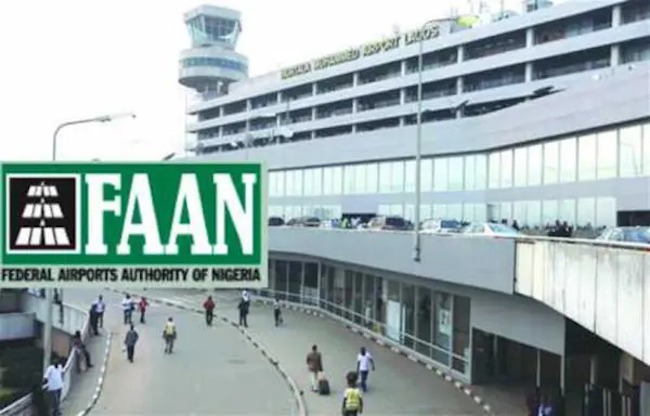
The Federal Government may be forced to solely finance the reconstruction of the fire-damaged international terminal at the Murtala Muhammed International Airport (MMIA) and settle all related compensation claims, following revelations that Nigeria’s airports are not insured.
The terminal, managed by the Federal Airports Authority of Nigeria (FAAN), was gutted by fire several months ago, with repair costs projected to exceed one billion naira. However, investigations by Financial Vanguard indicate that no insurance firm has reported any claims exposure or liability linked to the incident, raising serious concerns about risk management for the country’s critical aviation infrastructure.
Commissioner for Insurance, Mr. Olusegun Omosehin, confirmed that no claims have been paid on the airport fire. “I am not aware of the entities that covered the airport. If there was cover on that property, claims must be paid. That is where we stand,” he stated.
The absence of insurance comes despite a Federal Executive Council approval of N712.26 billion for the comprehensive rehabilitation of the airport’s Terminal One before the fire outbreak. Without insurance, government will bear the full cost of rebuilding the terminal, compensating victims, and covering all medical bills arising from the disaster.
Industry experts pointed to a regulatory gap: while aviation regulations mandate that all aircraft operating in Nigeria maintain insurance cover, there is no compulsory requirement for airport operators to insure terminals and related infrastructure. Aviation analyst Group Capt. John Ojikutu (retd) said earlier provisions in the Nigerian Civil Aviation Regulations required international airports to carry about $250 million in cover and domestic airports around $100 million, but those provisions were removed in the 2022 review. “Whose fault? I will hold the Nigerian Civil Aviation Authority responsible,” he said.
Ojikutu warned that an uninsured airport exposes government to huge financial losses and could force businesses operating at such facilities to shut down. Aviation consultant and CEO of Belujane Konzult, Mr. Chris Aligbe, emphasised the importance of airport insurance, noting that many countries no longer fund airport renovations directly from government coffers but through concession arrangements backed by insurance.
Sunny Adeda, former President of the Chartered Insurance Institute of Nigeria, noted that while strict regulations ensure every aircraft is insured before operating domestically, airport regulation has been left largely to FAAN’s discretion. “While these strict regulations are in place to keep airlines in check, the regulation of the airports is just left to the whims and caprices of FAAN, which is not supposed to be so,” he stated.
Former President of the Nigerian Council of Registered Insurance Brokers, Mr. Babajide Olatunde-Agbeja, recalled that airports used to be insured about 10 to 12 years ago but expressed uncertainty about the current status. He stressed that all government assets, personnel, and liabilities must be insured to avoid passing the full brunt of disasters onto the state. “Look at all the fires happening in markets. Markets are not insured, and everything falls on government. We need to ensure that government assets are insured,” he said.
Data obtained by Financial Vanguard shows steady growth in combined aviation and marine insurance premiums, with the strongest surge recorded in 2024 when premiums jumped 73.9 percent to N128.2 billion and claims rose 106 percent to N64.2 billion. The growth continued into 2025, with premiums climbing a further 45.9 percent to N187.1 billion. However, industry sources say the bulk of the premium originates from marine business and compulsory aircraft covers, leaving airport infrastructure largely unprotected.