NCAA Suspends Services to 11 Domestic Airlines Over Unpaid Statutory Charges
- Aviation
- May 25, 2026
- No Comment
- 429
The Nigerian Civil Aviation Authority (NCAA) has ordered all its directorates to stop rendering services to 11 domestic airlines until they settle outstanding financial obligations. The directive, communicated in a circular from the Directorate of Finance and Accounts, affects some of the country’s largest carriers.
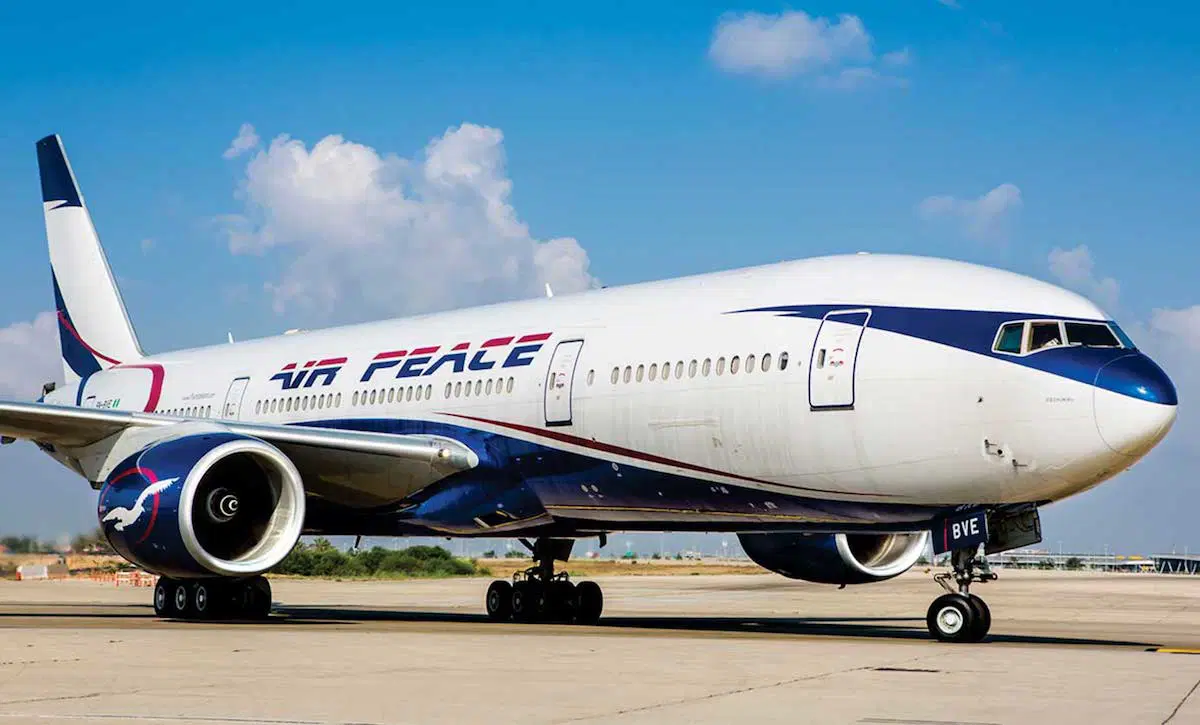
In the memo titled *“Updated List of Airlines on No-Pay-No-Service,”* Director of Finance and Accounts Olufemi Odukoya stated that NCAA Director-General Capt. Chris Najomo had instructed that no service be provided to the listed operators without prior financial clearance. The affected airlines are Air Peace Limited, Ibom Air Limited, Arik Air Limited, United Nigeria Airlines, Umza Air, NGEagle Airline, Max Air Limited, Caverton Helicopters, Overland Airways, Rano Air, and ValueJet.
The enforcement action centres on the non-remittance of the five per cent Ticket Sales Charge (TSC) , a statutory levy paid by passengers and collected by airlines in trust for the regulator. Industry analysts have described the crackdown as long overdue, arguing that the withheld funds represent a serious drain on government revenue.
An aviation industry expert said the airlines’ failure to remit the charges constitutes a breach of public trust. “These funds do not belong to the airlines in the first place. The five per cent Ticket Sales Charge is a statutory levy paid by passengers and collected by airlines in trust for the regulator under the laws establishing the NCAA. Once collected, such monies should be remitted promptly and transparently, not retained to finance operational shortfalls or balance struggling books,” the expert said.
The expert added that deliberately withholding the charges amounts to “a grave abuse of public trust and corporate responsibility,” stressing that no airline has the legal or moral authority to appropriate funds meant for aviation safety oversight, consumer protection, and regulatory efficiency. The view that remitting the obligations could worsen the financial condition of airlines was dismissed as untenable.