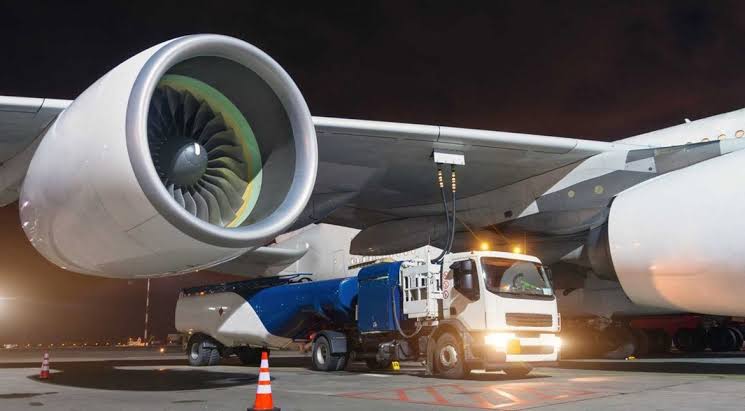

ASRI to FG: Allocate Crude to Local Refiners to Resolve Jet Fuel Crisis
- Aviation
- June 2, 2026
- No Comment
- 316

The Aviation Safety Roundtable Initiative (ASRTI) has stated that Nigeria’s persistent aviation fuel crisis can be resolved by allocating crude oil directly to domestic refiners.
In a statement issued by its President, Air Commodore Ademola Onitiju (retd.), the body argued that such a move would reduce waste, lower the government’s financial exposure, and bring long‑term stability to a sector that has remained troubled for decades.
According to ASRTI, Nigeria’s domestic aviation industry is facing a deep and prolonged crisis, driven largely by the escalating cost of Jet A1 fuel, which currently ranges between ₦1,650 and ₦2,037 per litre. This cost now accounts for nearly half of airline operating expenses, forcing carriers to raise fares to levels many Nigerians can no longer afford.
The organisation criticised the Federal Government’s earlier intervention—₦60 billion in invoice discounts to airlines—as ineffective. It noted that fuel prices have remained unchanged, airline debts have not reduced, passengers have not seen cheaper fares, and related sectors such as cargo logistics, tourism, and hospitality have recorded no growth. The statement added that the broader aviation ecosystem, including airlines, agencies, concessionaires, and ground handlers, received no structural benefit from what it called a “hollow” largesse.
ASRTI therefore proposed a more effective and fiscally responsible alternative: a Fuel‑for‑Stability Programme based on direct crude allocation to local refiners, focused exclusively on domestic operators. The body stated that this approach would eliminate the ₦60 billion waste, reduce government cost exposure, and create a stable fuel‑pricing structure capable of transforming the sector’s economics.
The organisation clarified that the exact price—whether ₦300 per litre or slightly above—is not the main issue. Instead, the goal is to ensure a stable, predictable supply of crude to local refiners, thereby lowering operating costs, enabling lower fares, increasing passenger traffic, improving airline profitability, strengthening aviation agencies, and building a healthier, fiscally backed ecosystem.
“Lower air fares are not merely consumer benefits; they are catalysts for market expansion, passenger traffic growth, higher load factors, and the economies of scale that make commercial aviation sustainable,” the statement read. “A nation of over 220 million people should not continually operate an aviation market accessible only to a narrow segment of its population.”
ASRTI emphasised that the proposal is pragmatic, not theoretical. It cited international examples: India achieved some of the world’s lowest domestic fares and explosive traffic growth by stabilising fuel supply and prioritising structural reforms. Similarly, Turkey, Indonesia, and Brazil transformed their aviation sectors by focusing on affordability, volume growth, and ecosystem‑wide efficiency—rather than piecemeal interventions that deliver no lasting value.