



Nigerian Airlines Can Generate $1bn Annually From West and Central African Routes, Experts Say
- Aviation
- September 4, 2026
- No Comment
- 240

Nigerian carriers have a realistic opportunity to build a $1 billion annual market across West and Central Africa if they can rebuild regional networks and governments ease the tax and cost burdens that keep fares high, aviation experts said at a conference in Lagos.
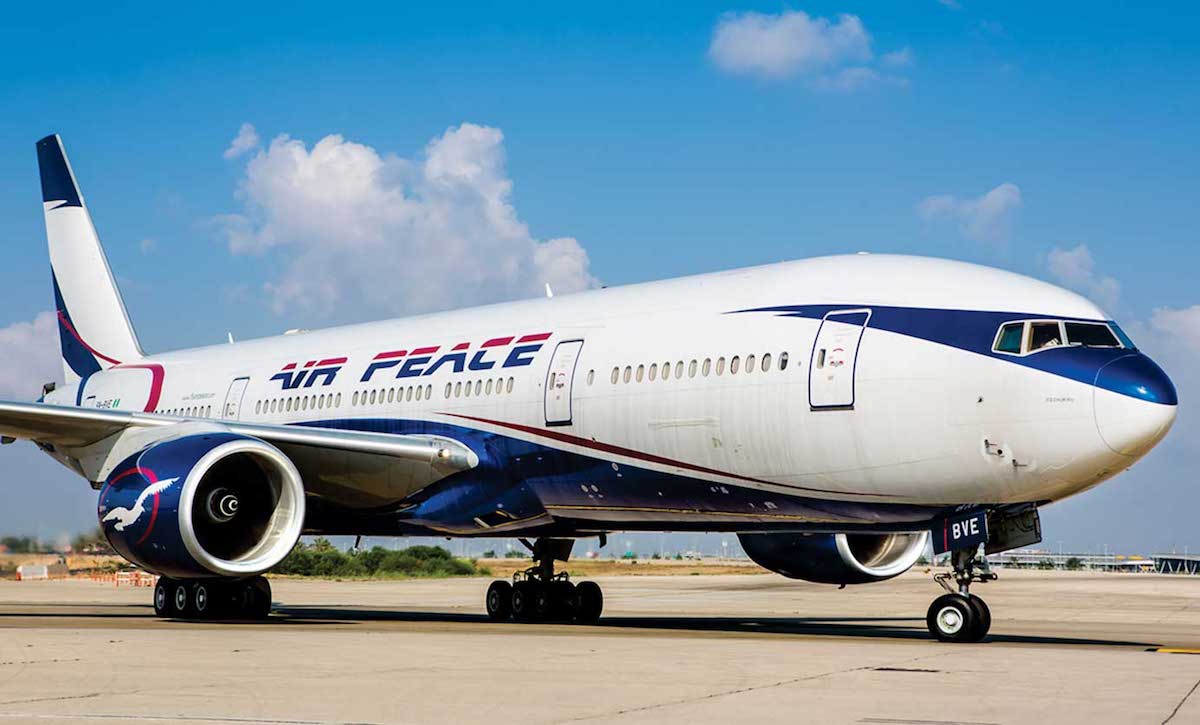
For roughly two decades, West Africa’s coastal routes were a mainstay for Nigerian airlines. That position eroded with the rise of Asky Airlines and the collapse of several Nigerian operators, which ceded much of the regional traffic to non-Nigerian carriers. Now a resurgent Nigerian industry is moving back. Air Peace has expanded to 13 destinations in West and Central Africa, while United Nigeria Airlines, ValueJet and Ibom Air are sharpening their regional marketing.
The revival is also being supported by legal reforms. The Cape Town Convention practice directions and the Irrevocable Deregistration and Export Request Authorisation framework have made it easier for Nigerian airlines to acquire aircraft on dry lease, removing one longstanding barrier to fleet expansion.
Underlying demand is strong. Official Airline Guide schedule data shows Central and Western Africa posted some of the fastest capacity growth globally, expanding by 15.7 to 16.9 per cent. The African Airlines Association puts the two subregions at about 17.4 per cent of Africa’s scheduled airline seat capacity. According to the International Air Transport Association, air travel demand across Africa grew by 6.4 per cent year-on-year, outpacing the global average.
Within the region, domestic traffic; heavily anchored by Nigeria, accounts for roughly 43 per cent of the total, while intra-African international routes account for 44 per cent. Europe remains the largest external market, capturing nearly 39 per cent of traffic from West and Central Africa. West Africa accounts for about 16 per cent of overall passenger traffic in Africa; Central Africa holds about one per cent.
Connectivity remains uneven. Intra-regional links between West and North Africa stand at roughly 34 per cent, but direct connections to Southern and Central African zones fall to single digits. Nigeria has the highest passenger and aviation throughput in West and Central Africa, driven by Lagos Murtala Muhammed International Airport.
Adedayo Olawuyi, chief commercial officer of United Nigeria Airlines, said the real constraint is not demand but cost. High taxes, foreign-currency expenses and missing infrastructure continue to erode airline margins.
“How many of you would take a loan of 30 per cent to invest in a business that gives you less than five per cent profit? That is a pressing issue for airlines in Africa, specifically in Nigeria: the cost of financing,” Olawuyi said.
He cited pilot training, aircraft maintenance and simulator time as major dollar expenses. “We earn naira but spend USD.”
Fuel prices have compounded the problem, rising from N900 per litre in December 2025 to N3,000 per litre in 2026. Those costs cannot be cut without compromising safety, he said.
“Government needs to create an enabling environment for us,” Olawuyi added.
ECOWAS has acknowledged the tax burden. Passengers in the region face 66 different charges, while airlines contend with 112 levies. The bloc adopted a plan to reduce passenger service and security charges by 25 per cent and remove certain non-aviation ticket taxes by January 2026. Full implementation across member states has stalled, however.
Industry watchers say the West Coast remains a substantial opportunity for Nigerian carriers, but airlines will need to cooperate to avoid flooding routes with excess capacity and to resist external pressures. Central Africa is also opening up, with no strong local carriers and continued reliance on European, East African and West African airlines.
If costs and charges are streamlined, experts say Nigerian airlines could turn the West and Central African market into a $1 billion annual business within a few years.
