
ATSSAAN Urges Federal Government to Create Intervention Fund for Airlines’ Regulatory Debts
- Aviation
- May 26, 2026
- No Comment
- 370
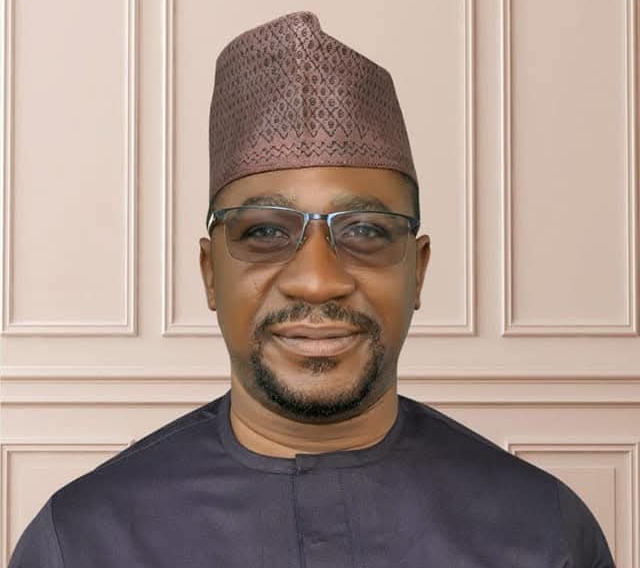
The President of the Air Transport Services Senior Staff Association of Nigeria (ATSSAAN), John Ogbe, has called on the Federal Government to urgently provide an intervention fund that would enable domestic airlines to clear outstanding debts owed to the Nigeria Civil Aviation Authority (NCAA) and other aviation agencies.
Speaking against the backdrop of the ongoing dispute over unremitted Ticket Sales Charge (TSC), Ogbe acknowledged that the failure to remit statutory charges collected on behalf of regulators was indefensible. He argued, however, that the financial pressures confronting airlines, particularly the soaring cost of Jet A-1 fuel, had pushed many carriers into survival mode, forcing them to channel collected levies into daily operations.
“What has been happening is that the airlines use this money from these agencies to run their operations. Pay some, owe more. Pay more, owe again. Just to keep floating,” Ogbe said, stressing that he was not excusing the practice but that the airlines could not resolve the crisis alone.
He urged the Federal Government to step in with targeted financial support modelled after interventions in countries like the United States and Canada. “We are therefore calling for the creation of an intervention fund, what some might call a bailout, specifically aimed at helping airlines clear their regulatory debts while also getting back on sound financial footing,” he stated.
The proposed fund, he explained, would provide soft loans or grants that airlines could use to settle outstanding levies owed to the NCAA and other agencies. This, he said, would immediately restore funding to cash-strapped regulatory bodies while giving airlines a structured pathway out of debt. “They can call it a bailout or they can call it an intervention fund. What matters is the urgency of the action. As we speak, the airlines are going to struggle. The debt is so huge. We encourage the government to quickly and urgently intervene,” Ogbe added.
Industry sources confirm that many domestic airlines owe the NCAA billions of naira, with a significant portion of the liability also denominated in dollars, making the total debt even more difficult to quantify and settle.
Ogbe emphasised that the unremitted TSC was never intended as airline revenue but as a collection on behalf of government agencies, each dependent on the funds to perform statutory functions. He broke down the allocation formula: NCAA receives 56 per cent, the Nigerian Airspace Management Agency (NAMA) 22 per cent, the Nigerian Meteorological Agency (NIMET) nine per cent, the Nigerian College of Aviation Technology (NCAT) seven per cent, and the Nigerian Safety Investigation Bureau (NSIB) six per cent.
“You can see that this money is meant for all these agencies to carry out their statutory functions. Each plays a critical role in keeping Nigerian airspace safe, functional, and internationally compliant. Without adequate funding, their ability to perform these roles is severely compromised,” he said.
He noted that the NCAA’s wide-ranging mandate, covering airport standards, safety oversight, economic regulation, and associated functions—requires constant investment in staff training, technology, and welfare packages, none of which can be sustained without the withheld revenues.
Ogbe also acknowledged recent government policy actions that, if sustained, could help address the structural issues underlying the crisis. He cited Nigeria’s ratification of the Cape Town Convention, which has improved access to aircraft financing and dry lease arrangements, and the agreement with Boeing to establish a Maintenance, Repair and Overhaul (MRO) facility in Nigeria. The MRO project, he said, would reduce the dollar-denominated maintenance costs that have strained airline finances by requiring virtually all major checks to be performed abroad.
“These are all steps the government is taking, and I encourage the government to do more. To look for ways of seeing how they can further support the airlines in the form of creating facilities, waivers, and other mechanisms they can use to operate optimally,” Ogbe said.
The labour leader reiterated that while airlines must be held accountable for unremitted collections, only a combination of direct financial intervention and sustained policy reforms can secure the survival of the domestic aviation sector.