High Aircraft Costs Threaten Nigeria’s Aviation Growth – NCAA Chief
- Aviation
- April 2, 2026
- No Comment
- 466
The high cost of aircraft acquisition remains a major obstacle to the growth of Nigeria’s aviation sector, the Director-General of the Nigerian Civil Aviation Authority (NCAA), Captain Chris Najomo, has said.
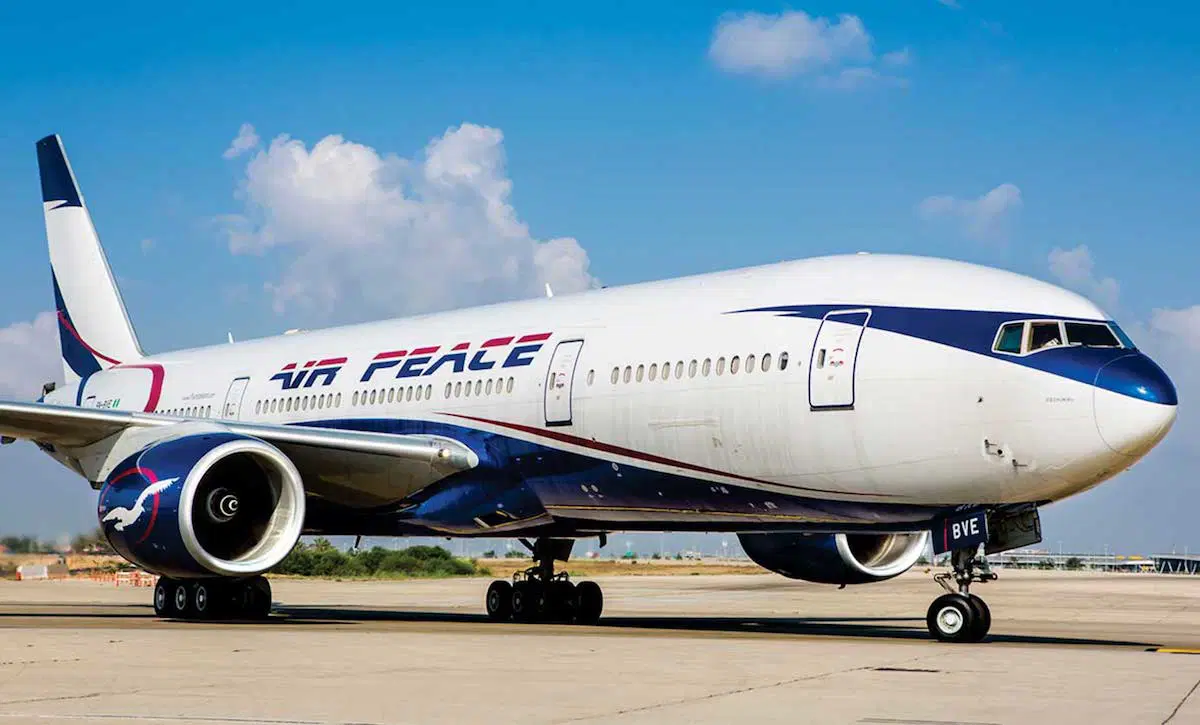
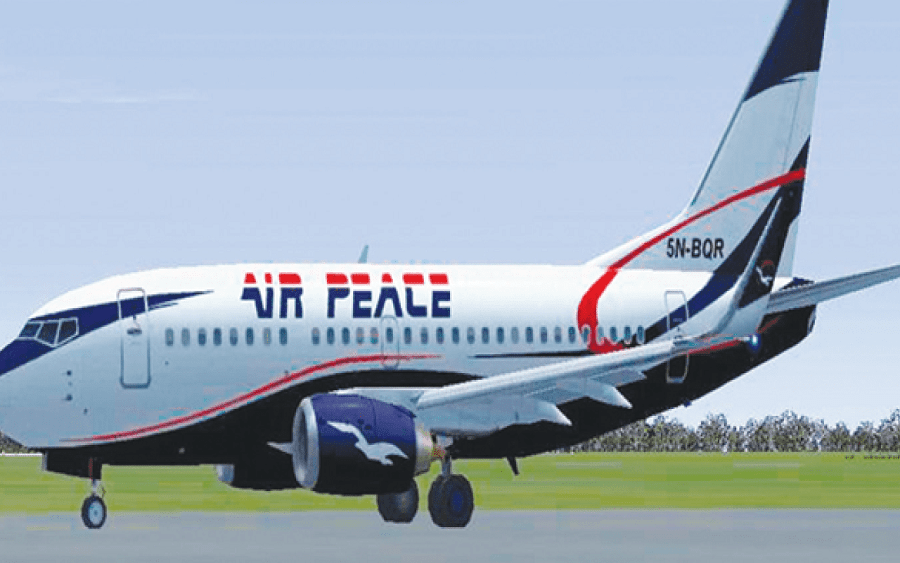
Speaking on Thursday at the inaugural Nigeria Aircraft Acquisition and Investment Summit (NAAIS) 2026 in Lagos, Najomo noted that domestic carriers are struggling to modernise their fleets amid persistent financing challenges, with ageing aircraft and limited fleet sizes constraining expansion plans even as air travel demand continues to rise.
Najomo urged stakeholders to adopt innovative financing approaches tailored to Nigeria’s operating environment, stressing that reforms must support long-term investment.
A key part of that reform agenda, he said, involves rebuilding trust with international financiers and lessors. He pointed to the NCAA’s commitment to the Cape Town Convention and the strict implementation of the Irrevocable De-registration and Export Request Authorisation (IDERA) as steps the government is taking to reassure global capital providers.
However, Najomo warned that acquiring aircraft without adequate maintenance infrastructure risks turning an expensive investment into a liability. He noted that insufficient domestic Maintenance, Repair and Overhaul (MRO) facilities force airlines to send aircraft abroad for servicing, driving up costs and draining foreign exchange.
He also cautioned against uncoordinated fleet expansion, stating that aircraft selection must align with route structures, market demand, and maintenance capability. Getting this wrong, he said, leads to inefficiencies and higher operational costs.
Najomo further highlighted human capital as a hidden cost of fleet growth, emphasising that investment in skilled pilots, engineers, and technical staff is essential to safely managing modern aircraft and evolving aviation technologies. He concluded that transformation in Nigeria’s aviation is achievable only if capital access, investor confidence, and capacity development are pursued together in a coordinated manner.