
Strait of Hormuz Shutdown Rekindles Fears of Fuel Price Hikes in Nigeria
- Road
- June 22, 2026
- No Comment
- 287
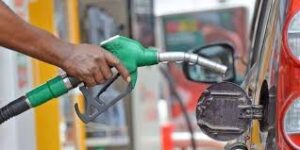
Fresh anxiety over a potential spike in domestic petrol prices has gripped Nigeria’s downstream petroleum sector, following reports that Iran has once again sealed the Strait of Hormuz. The renewed closure comes less than 24 hours after the critical maritime route was reopened following a brief ceasefire agreement with the United States.
The Islamic Revolutionary Guard Corps (IRGC) justified the decisive action by citing the continued presence of US military forces in the region and Israel’s refusal to withdraw troops from southern Lebanon. The IRGC alleges that these military postures violate the memorandum of understanding signed last Wednesday between US President Donald Trump and Iranian President Masoud Pezeshkian.
As a conduit for nearly 20 percent of the world’s daily oil consumption, the Strait of Hormuz serves as a vital artery for global energy security. Any disruption to this waterway historically triggers nervous reactions in international markets, directly threatening the cost of imported petroleum products—a reality that looms large over Nigeria, which still relies heavily on refined fuel imports.
The timing is particularly delicate. Just days ago, Brent crude had retreated to approximately $77 per barrel following the initial ceasefire, sparking cautious optimism among industry stakeholders for further domestic fuel price reductions. Billy Gillis-Harry, National President of the Petroleum Products Retail Outlets Owners Association of Nigeria (PETROAN), had highlighted falling landing costs as a potential boon for consumers. However, the latest geopolitical pivot has promptly reversed that outlook. Consequently, PETROAN has renewed its call for aggressive market reforms and investments to boost local refining capacity, urging the government to insulate the economy from recurring external supply shocks.
Industry experts caution that the market faces extended turbulence even if the route is reopened quickly. Stanislas Drochon, African Head of Fuels and Refining at S&P Global Energy, noted that the market remains tight, compounded by the onset of the peak driving season in the Northern Hemisphere. He emphasized that the adjustment process will take considerable time, as crude cargoes require several weeks to reach refineries in Asia and Nigeria before refined products can be distributed to end consumers.
Speaking on the broader economic implications, Samuel Owasi, Managing Director of Menel Integrated Services, highlighted the double-edged nature of the crisis. While higher crude prices could theoretically boost Nigeria’s export earnings, he warned that the resultant surge in petrol import costs would likely outweigh these gains—exacerbating inflation and straining household budgets. “Nigeria continues to rely significantly on imported petroleum products despite growing domestic refining capacity,” Owasi noted, underscoring the country’s persistent vulnerability to global supply chain disruptions.
As international traders closely monitor escalating tensions in the Middle East, the trajectory of crude oil prices in the coming days will determine whether Nigerian consumers brace for another round of economic strain or manage to secure temporary relief at the pump. The development has also reignited urgent conversations around accelerating domestic refining investments to secure national energy independence.