
Air Peace Admits Communication Failure Over Rescheduled Flight, NCAA Demands Compensation
- Aviation
- September 22, 2026
- No Comment
- 25
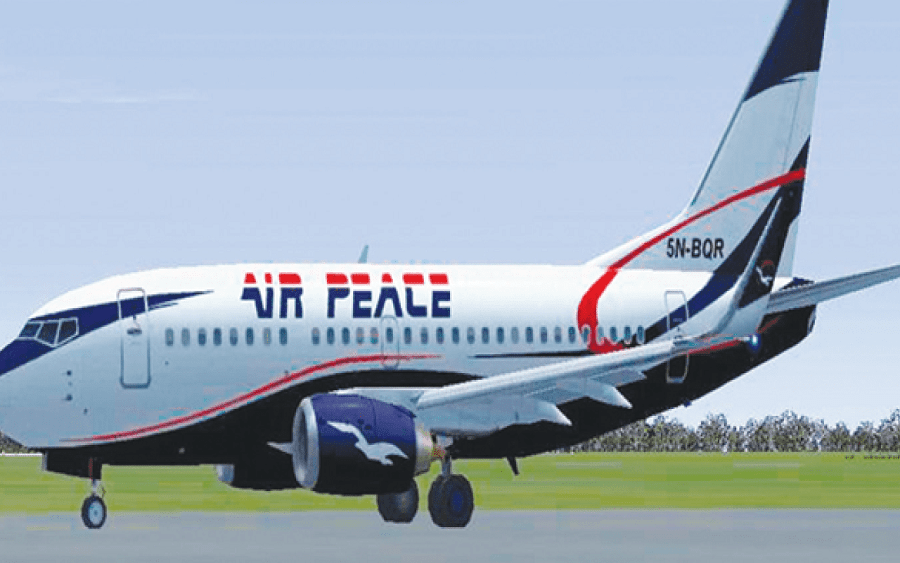
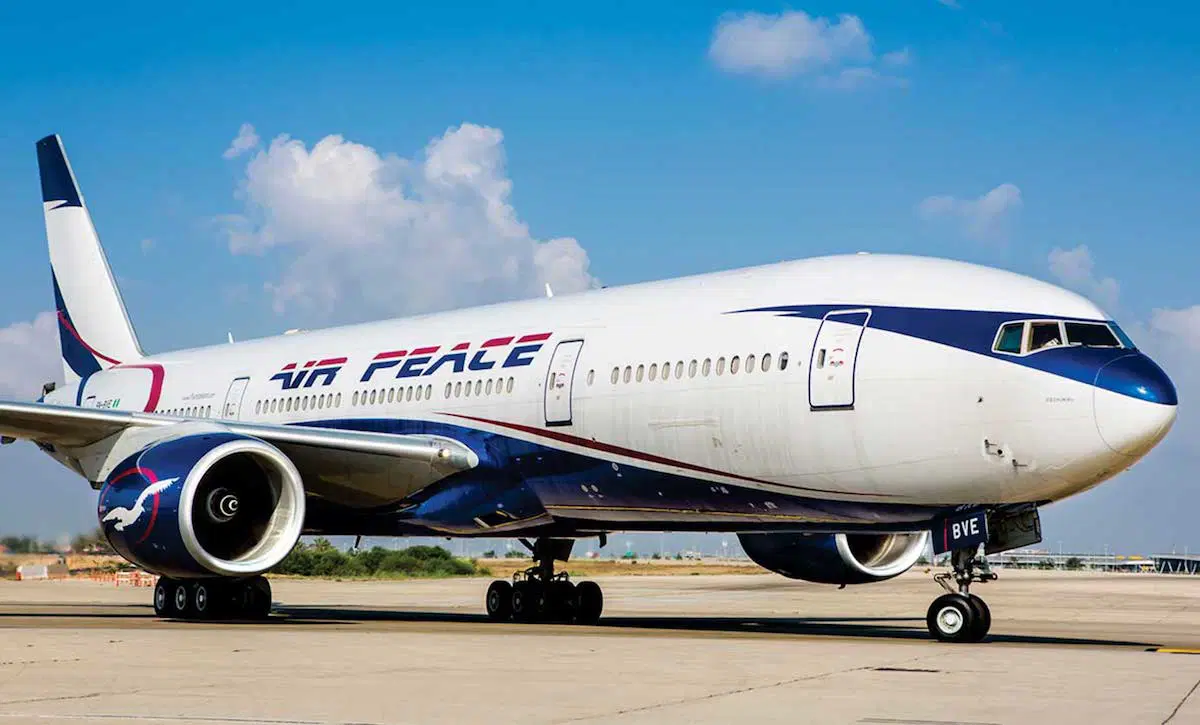
Air Peace has acknowledged that it sent erroneous notifications to passengers scheduled for a morning flight, advising them to arrive early rather than alerting them to a major reschedule, according to investigation findings released by the Nigerian Civil Aviation Authority.
Michael Achimugu, the NCAA’s Director of Public Affairs and Consumer Protection, disclosed the outcome of the regulatory inquiry in a detailed statement responding to a public complaint by human rights lawyer Inibehe Effiong. Effiong had accused the airline of irresponsibility after his Lagos-to-Enugu flight was disrupted, causing him to miss a sensitive court appearance in Enugu State.
According to the findings, the disruption resulted from a ripple effect of operational problems the previous night. The airline was required to notify morning passengers that their flight had been rescheduled. Instead, passengers including Effiong received messages urging them to arrive early for the original departure time.
Achimugu stated that a senior management staff member initially claimed passengers had been properly informed of the change. Effiong disputed this, sharing a screenshot of the notification he received and providing his Passenger Name Record. Critically, the Station Manager and Duty Manager of Air Peace confirmed that the messages actually sent were the incorrect “come early” alerts, and acknowledged that this was done in error.
“They admit that passengers on your flight should have been notified about the reschedule,” Achimugu wrote.
The admission underscores a significant breakdown in passenger communication. Effiong had woken at 4:30 a.m. and arrived at Murtala Muhammed Airport Terminal 1 around 5:50 a.m. for a flight originally scheduled for approximately 6:45 a.m. He reported that staff first called only passengers from the previous day’s cancelled or disrupted flights. After keeping that morning’s passengers waiting for about an hour, airline staff casually informed them the flight was delayed until 4:50 p.m. Effiong further noted that Air Peace sent a second reminder at approximately 2:01 a.m., despite knowing the schedule would not hold.
He described the handling as lacking empathy and part of a pattern of poor service, citing NCAA data showing Air Peace delayed 71 per cent of its flights in August 2026, representing 1,330 delays out of 1,864 flights.
Achimugu emphasised that timely and honest information is critical, and that there was a clear gap in this regard. He explicitly noted that sending the wrong notification was not a force majeure incident.
The NCAA has directed Air Peace, in line with Part 19 of the NCAA Regulations 2023, to develop a compensation package for affected passengers and report back promptly. The airline claims it provided hotel accommodation and care for passengers from the disrupted flight until the later departure, though the NCAA said it was still verifying this. Achimugu explained that if the airline fulfils its duty of care and provides appropriate compensation, sanctions may be avoided. Failure to do so would attract heavy sanctions.
He expressed empathy for Effiong and other passengers, stating they should not have been told to come to the airport for a flight that was not going to operate. Achimugu also indicated he would release a video explaining how sanctions are applied under the regulations, noting that disruptions can occur for safety or other reasons but that passenger treatment and mitigation measures are key to determining regulatory response.
The exchange highlights ongoing tensions around airline reliability and passenger rights in Nigeria’s domestic aviation sector. Effiong had initially criticised regulators, including the NCAA and the Minister of Aviation Festus Keyamo, for what he saw as insufficient accountability for Air Peace’s performance. Achimugu pushed back, noting past engagement on Effiong’s complaints and affirming that the authority would hold stakeholders accountable where necessary while also protecting operators’ rights under the rules.