
Shettima Inaugurates Transporters for Tinubu/Shettima 2027, Pledges Policy Continuity
- Lead Story
- July 3, 2026
- No Comment
- 217
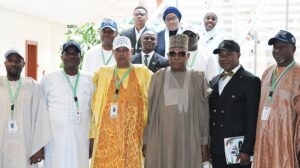
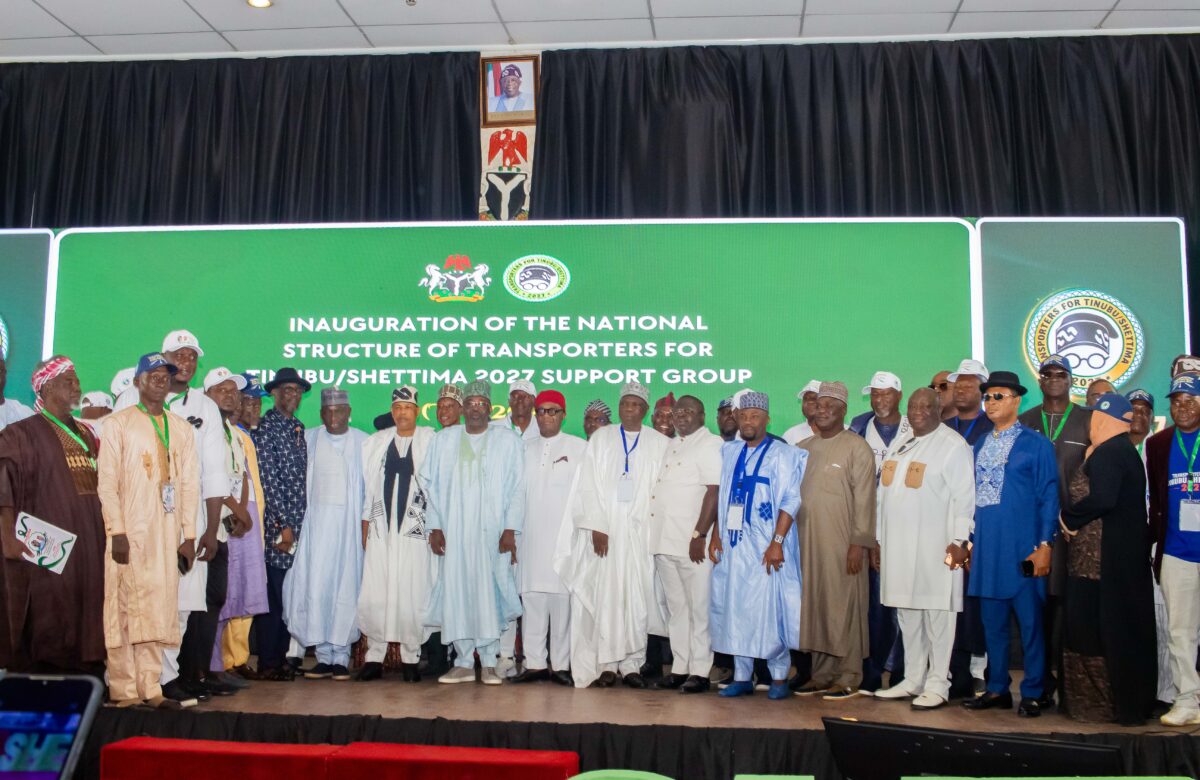
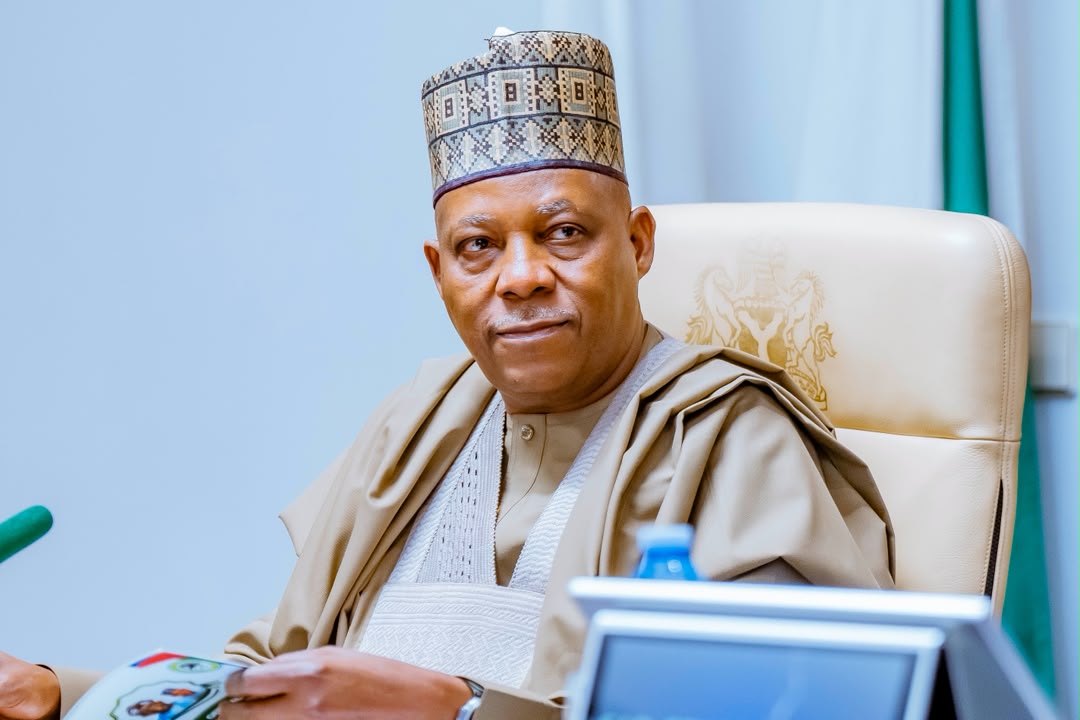
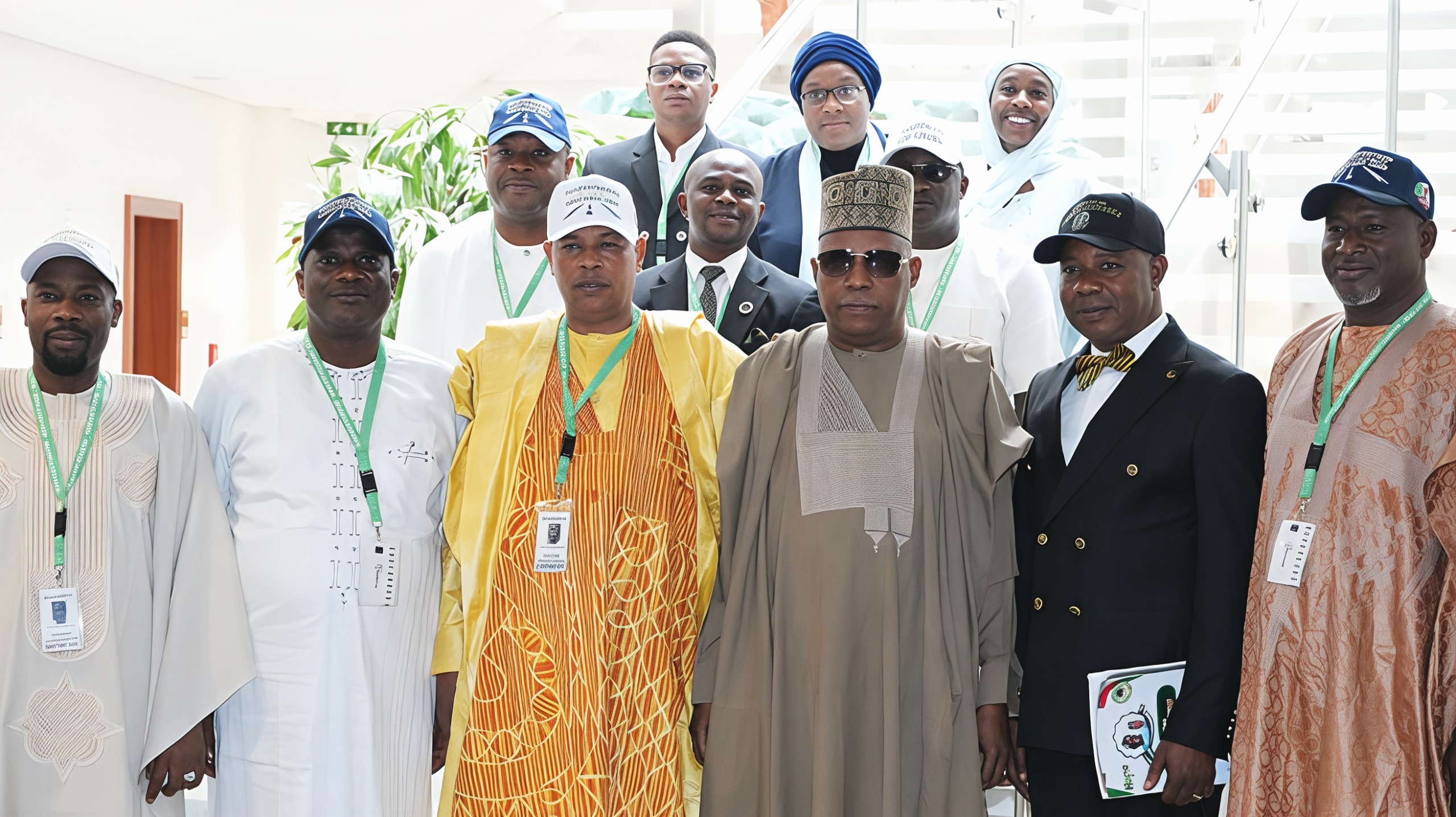
In the gilded halls of the State House, Aso Villa, Abuja, a scene unfolded on Monday, June 15, 2026, that will be remembered as a turning point in Nigeria’s political and economic history. Not a gathering of governors, but a phalanx of Nigeria’s transport workers; the men and women who keep the nation’s economic arteries pumping stood as one. Vice President Kashim Shettima formally inaugurated them as the “Transporters for Tinubu/Shettima 2027” support group, a coalition that for the first time ever unites every major transport union across road, rail, maritime, aviation, pipeline, and logistics.
This is more than a political launch. It is a declaration of solidarity between the administration and the millions who move Nigeria daily, a partnership built on tangible achievements and a shared vision of prosperity. For a nation where transport workers have long been the invisible engine of commerce, this inauguration signals a new era of recognition, investment, and inclusive growth.
A Record of Delivery, A Vision for the Future
When Vice President Shettima addressed the packed hall, he spoke not in promises but in proven results. The administration’s pioneering push for compressed natural gas (CNG) conversion has already delivered over a 60 percent reduction in fuel costs for thousands of heavy‑duty truck operators, a direct relief that drivers feel at every filling station, and a model that is now being expanded across the sector.
Shettima also unveiled an ambitious plan for the rollout of over 10,000 electric tricycles, already cleared and in assembly, scheduled for August. He made a powerful case: investing in a robust network of charging points will not only cut operating costs and emissions but will lift millions of Nigerians out of poverty, exactly as has been achieved in developed nations. Accessible, affordable electric mobility creates new entrepreneurial opportunities for last‑mile operators, reduces dependence on volatile fuel prices, and positions Nigeria at the forefront of the global green transport revolution.
The infrastructure portfolio Shettima presented reads like a blueprint for a connected Nigeria. The Kano‑Maradi railway, the rehabilitation of the Port Harcourt‑Maiduguri narrow‑gauge corridor, and the Lagos‑Calabar Coastal Rail line are not just projects, they are the backbone of an integrated national logistics network. In the maritime sector, the operational Lekki Deep Sea Port, the groundbreaking National Single Window project, and the dredging of inland waterways are already transforming Nigerian ports into competitive gateways for global trade.
Shettima’s target is bold but achievable: raising transport’s contribution to Nigeria’s GDP from its current 3 percent to double digits. With the ongoing investments, the formalisation of the sector, and the enthusiastic support of the unions, this goal is well within reach. His vision of an “unbroken logistics chain”, from deep‑sea ports through rail to CNG‑powered road transport to final markets, is not a slogan; it is a practical roadmap to economic transformation.
The Voice of the Unsung, Now Heard
If Shettima provided the strategic framework, Prince Segun Obayendo, the movement’s National Coordinator and Technical Adviser to the Vice President on Transportation, Logistics and Innovation, gave it a human heart. His address resonated with the lived experience of every Nigerian who has ever boarded a bus at dawn or flagged down a keke in the rain.
“We are the bus driver navigating the gridlock of Lagos at 5am, so that the city can function by 8,” Obayendo declared. “We are the long‑haul trucker grinding the Lagos–Kano corridor through the night… We are the keke rider in Owerri, Benin and Katsina; the last‑mile connector.”
His message was unequivocal: “We don’t want to be ungrateful. We will not let the train of this administration derail, neither will the boat be allowed to capsize.”
For a sector long taken for granted, Obayendo’s words were a powerful affirmation. He commended the historic creation of the Ministry of Marine and Blue Economy, a first in Nigeria, and the elimination of fuel queues that once defined the driving experience. These are not minor victories; they are foundational changes that reflect the administration’s deep commitment to the welfare of transport workers..
A Coalition of Unmatched Scale and Unity
The unions represented at the inauguration read like a roll call of Nigeria’s transportation might: NURTW, RTEAN, NARTO, TOAN, ACOMORAN, NURW, MWUN, NUATE, ANAP, PETROAN, NUPENG, NAAPE, ALBON, the Nigeria Transportation Commissioners Forum, and, for the first time, Women in Land Transportation. Each union brings disciplined leadership, deep grassroots networks, and an unshakeable resolve to champion policy continuity across all 36 states and 774 local government areas.
Alhaji Musa Maitakobi Muhammed, National President of RTEAN, hailed Obayendo’s appointment as Technical Adviser, calling it the first time the sector has received such dedicated, high‑level representation in government. Comrade Francis Bunu Abi of the Maritime Workers Union thanked President Tinubu for the new Marine Ministry and the ongoing maritime infrastructure developments, which are already attracting new investment and creating jobs.
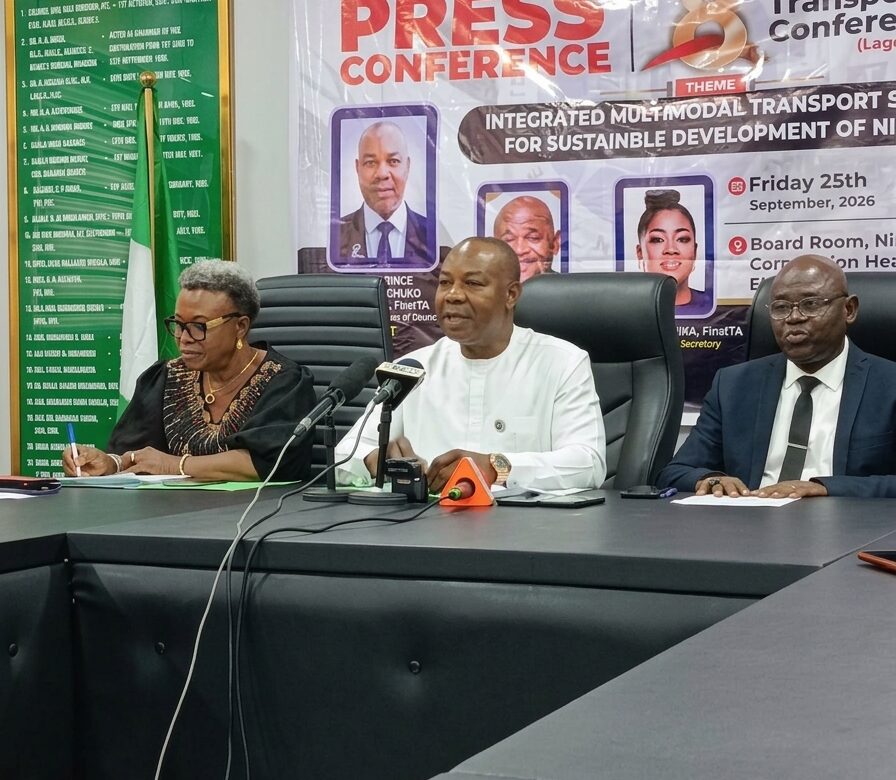
The support group’s activities speak to its seriousness and grassroots depth. The November 13, 2025 press briefing, citing Federal Road Safety Corps (FRSC) data and Nigerian Institute of Transport Technology (NITT) industry estimates, noted 5,421 road deaths in 2024 and N3.5 trillion in annual logistics losses, while also detailing the administration’s remedial measures.
Grassroots Engagement: The Abuja Drivers’ Care Initiative
The Abuja Drivers’ Care Initiative, which visited six motor parks across the Federal Capital Territory, provided over 500 drivers with free eye screenings, distributing 200 reading and sight eyeglasses and 300 medications. Proof that this coalition is focused on tangible welfare, not mere electioneering.
Between 26th February and 6th March 2026, the support group conducted a six‑stop outreach campaign across the Federal Capital Territory’s major motor parks, bringing services directly to the men and women who keep Abuja moving:
- Jabi Motor Park (Second Gate) – 26th February
- Zuba Motor Park– 27th February
- Jabi Motor Park (First Gate) – 3rd March
- Dei Dei Motor Park – 4th March
- Nyanya Motor Park – 5th March
- Airport Motor Park– 6th March
The Road Ahead: Mobilisation for a Brighter Nigeria
As the inauguration concluded, Shettima’s closing words electrified the hall: “The time for gathering is over; the time for mass mobilisation has begun.” His directive to transform every union hall into a registration hub and every transport manifest into a roll call of support represents an unprecedented ground‑game strategy; one that harnesses the organisational power of Nigeria’s transport sector to ensure that the Renewed Hope Agenda continues to gain momentum.
For Nigeria’s transport workers, this coalition is not merely an electoral vehicle. It is a partnership that has already delivered fuel alternatives, new infrastructure, and a seat at the table of national decision‑making. The CNG conversions, the electric tricycles, the railway expansions, and the port modernisations are not abstract plans, they are tangible improvements that workers see and feel every day.
The symbolism of over 20 million transport workers unified behind a single administration is profound. It demonstrates that the Tinubu‑Shettima ticket has earned the trust of those who form the foundation of Nigeria’s economy. As Shettima put it, this movement is “the backbone of Nigeria’s democratic infrastructure”, a force that will carry the message of hope, progress, and continuity to every corner of the nation.
The road to 2027 is long, but for the first time in Nigerian history, the men and women who drive that road have taken their rightful place at the centre of national politics. They have seized the wheel, and they are steering Nigeria toward a future of prosperity, unity, and boundless opportunity.
By Olusemire Jegede